

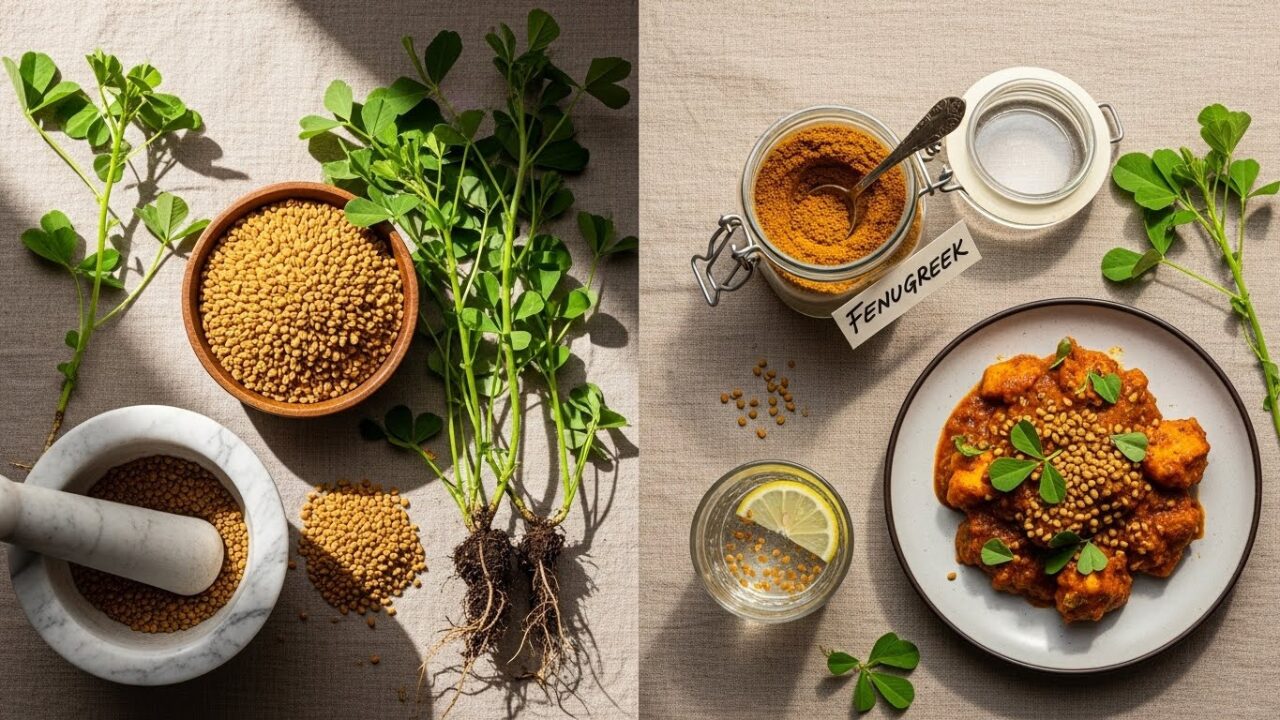
Foenegriek, known in English as fenugreek (Trigonella foenum-graecum), is a clover-like herb valued for centuries for its culinary flavor, nutritional richness, and medicinal properties. Widely used in Dutch, Afrikaans, Indian, Middle Eastern, and Mediterranean traditions, foenegriek is recognized for its distinctive maple-syrup-like aroma and its powerful health benefits.
From enhancing the taste of curries and breads to supporting digestion, blood sugar control, and lactation, foenegriek remains one of the most versatile herbs in both kitchens and traditional medicine. Today, modern research continues to confirm what ancient cultures already knew—foenegriek is a natural powerhouse for health and flavor.
What Is Foenegriek?
Foenegriek is the Dutch and Afrikaans term for fenugreek, a plant belonging to the legume family. Both the seeds and leaves of the plant are used:
-
Seeds: Hard, yellow-brown seeds with a slightly bitter taste
-
Leaves: Fresh or dried, used as a leafy herb (often called methi)
Foenegriek grows widely in India, North Africa, the Middle East, and Southern Europe and has been cultivated for thousands of years as both food and medicine.
Nutritional Profile of Foenegriek
Foenegriek is packed with essential nutrients that support overall wellness. It contains:
-
Dietary fiber
-
Protein
-
Iron
-
Magnesium
-
Manganese
-
Vitamin B6
-
Antioxidants
-
Plant compounds such as saponins and flavonoids
This rich nutritional composition explains why foenegriek has long been used to strengthen the body and support metabolic health.
Health Benefits of Foenegriek
1. Supports Digestive Health
One of the most well-known benefits of foenegriek is its ability to improve digestion. The high fiber content helps:
-
Reduce constipation
-
Support gut health
-
Ease bloating and indigestion
-
Improve nutrient absorption
Foenegriek seeds are often soaked or brewed into tea to soothe digestive discomfort.
2. Helps Regulate Blood Sugar Levels
Foenegriek is widely studied for its positive effect on blood sugar control. The soluble fiber slows carbohydrate absorption, helping prevent sudden glucose spikes.
This makes foenegriek particularly beneficial for:
-
People with type 2 diabetes
-
Individuals managing insulin resistance
-
Those aiming to stabilize energy levels
3. Supports Lactation in Breastfeeding Mothers
Traditionally, foenegriek has been used to stimulate milk production in breastfeeding women. Many cultures rely on foenegriek tea or supplements to support lactation naturally.
Modern studies suggest that foenegriek may increase milk supply by influencing sweat glands, which are similar to mammary glands.
4. Improves Heart Health
Foenegriek contributes to cardiovascular health by helping:
-
Lower cholesterol levels
-
Reduce LDL (“bad”) cholesterol
-
Improve circulation
Its antioxidant properties also help protect blood vessels from oxidative stress.
5. Supports Weight Management
Due to its high fiber content, foenegriek promotes feelings of fullness and reduces appetite. This can help with:
-
Portion control
-
Reduced cravings
-
Better weight management
When combined with a balanced diet, foenegriek supports healthy metabolism.
6. Anti-Inflammatory and Antioxidant Effects
Foenegriek contains powerful antioxidants that help fight inflammation and protect cells from damage. These properties contribute to overall wellness and long-term disease prevention.
Culinary Uses of Foenegriek
Foenegriek Seeds in Cooking
Foenegriek seeds are widely used as a spice, especially in Indian, Middle Eastern, and North African cuisine. Their slightly bitter flavor becomes nutty and aromatic when cooked.
Common culinary uses include:
-
Curry powders
-
Spice blends
-
Pickles
-
Chutneys
-
Lentil dishes
Roasting or soaking the seeds helps reduce bitterness and enhance flavor.
Foenegriek Leaves (Methi)
Fresh or dried foenegriek leaves are used as a leafy herb. They add a unique depth of flavor to dishes and are rich in nutrients.
Popular uses:
-
Flatbreads
-
Vegetable dishes
-
Rice dishes
-
Soups and stews
Dried foenegriek leaves, known as kasuri methi, are commonly sprinkled over dishes for aroma.
Foenegriek in Artificial Maple Flavoring
Foenegriek’s natural maple-like aroma makes it a key ingredient in artificial maple syrup flavoring. This unique scent comes from a compound called sotolon, which is also responsible for its sweet aroma.
Traditional Medicinal Uses of Foenegriek
Across history, foenegriek has been used in traditional medicine systems such as Ayurveda and traditional European herbalism. It has been used to:
-
Strengthen digestion
-
Improve respiratory health
-
Support hormone balance
-
Soothe skin irritation
-
Boost overall vitality
Poultices made from foenegriek seeds have also been used for skin care and inflammation relief.
How to Use Foenegriek at Home
Foenegriek Tea
Soak one teaspoon of seeds overnight, boil them in water, and strain. This tea supports digestion and metabolism.
Ground Foenegriek Powder
Used in spice blends, capsules, or mixed into food for daily health support.
Sprouted Foenegriek
Sprouting the seeds reduces bitterness and increases nutrient absorption.
Possible Side Effects and Precautions
While foenegriek is generally safe, excessive consumption may cause:
-
Digestive discomfort
-
Gas or bloating
-
Maple-like body odor (harmless but noticeable)
People who are pregnant, allergic to legumes, or taking medication for blood sugar should consult a healthcare professional before using foenegriek supplements.
Foenegriek in Modern Wellness
Today, foenegriek is widely available in:
-
Health supplements
-
Herbal teas
-
Capsules and powders
-
Skincare products
Its growing popularity reflects a renewed interest in natural, plant-based health solutions backed by traditional knowledge and modern science.
Why Foenegriek Remains Relevant Today
Foenegriek continues to thrive in modern kitchens and wellness routines because it offers:
-
Proven health benefits
-
Versatile culinary uses
-
Natural nutritional support
-
Deep cultural significance
As people seek holistic and natural approaches to health, foenegriek stands out as a trusted and time-tested herb.
Conclusion
Foenegriek is far more than just a spice—it is a powerful herb with deep roots in culinary tradition and natural medicine. From enhancing the flavor of food to supporting digestion, blood sugar balance, heart health, and lactation, foenegriek offers remarkable benefits for everyday wellness.
Whether used in cooking, brewed into tea, or taken as a supplement, foenegriek continues to prove its value as a versatile and healing herb. With centuries of use and growing scientific validation, foenegriek remains a natural ally for both health and taste.