

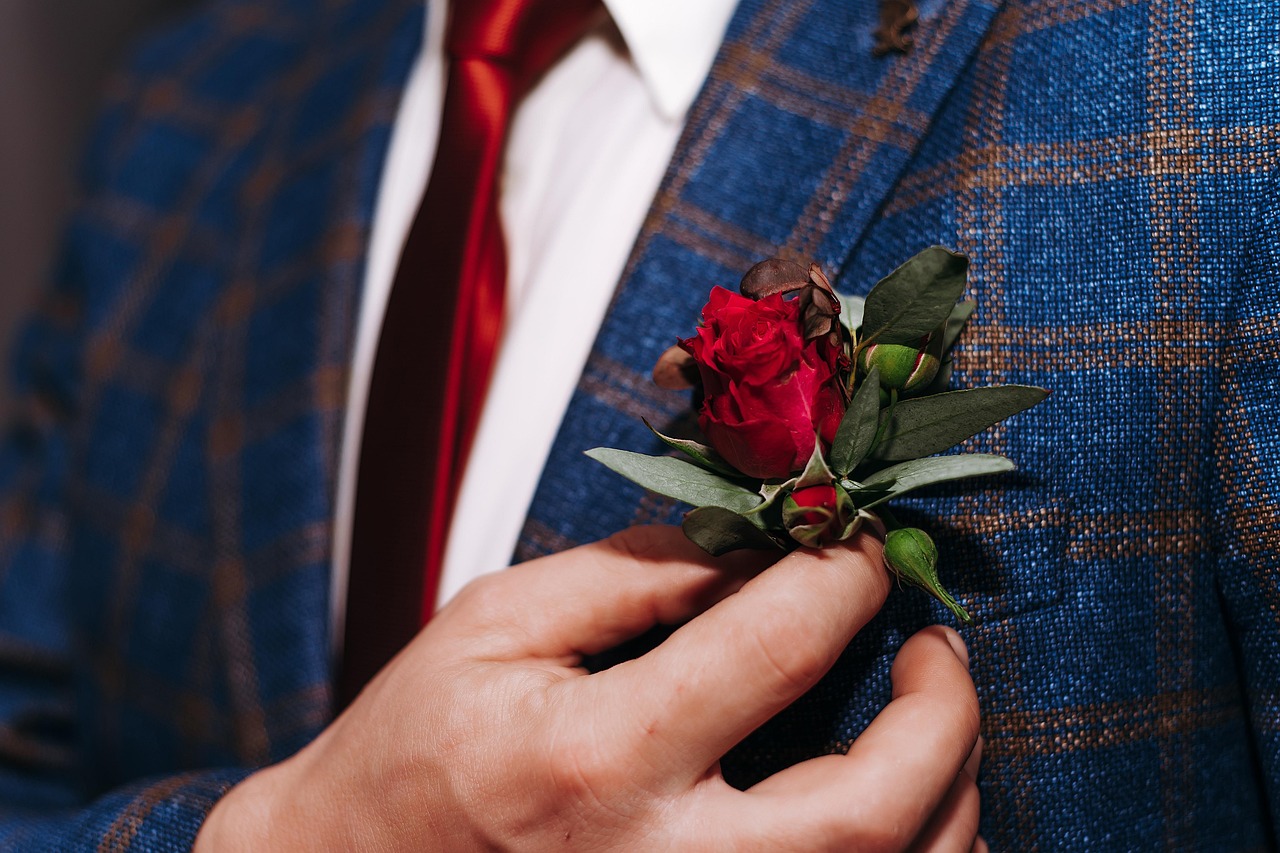
When it comes to formal attire, there’s something undeniably charming about the addition of a boutonniere. This small floral accessory can elevate any outfit, from tuxedos at weddings to suits at business events. But what exactly is the story behind this timeless adornment? From its origins in ancient traditions to its modern-day variations, the boutonniere has experienced a fascinating evolution that reflects changing styles and cultural significance. Whether you’re a groom gearing up for your big day or simply looking for ways to sharpen your personal style, understanding the history and artistry of boutonnieres adds depth to their appeal. Let’s dive into this beautiful world of blooms and explore why these little flowers continue to hold such an important place in our hearts—and wardrobes.
The Origin and Evolution of Boutonniere
The boutonniere traces its roots back to ancient times. Traditionally, it was a symbol of masculinity and honor, often worn by knights as they went into battle. These brave warriors would pin flowers onto their armor or clothing to represent their beloved’s favor.
As the centuries progressed, the boutonniere evolved beyond battlefield symbolism. In the 16th century, during elaborate court celebrations in Europe, nobles began wearing floral accents on their lapels. This trend quickly spread through high society.
By the Victorian era, these small floral arrangements became more refined and personalized. Men adorned themselves with delicate blooms that reflected not just personal style but also sentimentality.
Today’s boutonnieres maintain this rich history while embracing modern trends and styles. They continue to serve as a timeless expression of individuality at weddings and formal events alike.
Symbolism and Cultural Significance of Boutonniere
The boutonniere holds a rich tapestry of symbolism across various cultures. Traditionally, it was worn by men to signify status and style at formal events. The choice of flower often reflected personal meaning or social standing.
In many cultures, the boutonniere symbolizes love and romance. At weddings, grooms wear these floral accents to represent their commitment. Each bloom chosen can convey different emotions; for instance, red roses symbolize passionate love while white lilies represent purity.
During historical moments like wars, soldiers sported flowers in their buttonholes as symbols of hope and remembrance. This practice created a deep cultural connection between flora and human emotion.
Even today, the boutonniere acts as a bridge between generations—linking past traditions with modern expressions of identity. Whether it’s at proms or significant ceremonies, this small accessory continues to carry profound significance in its petals.
Types of Flowers Used in Boutonnieres throughout History
Throughout history, various flowers have graced the lapels of grooms and distinguished guests. Each bloom carries its own significance and charm.
Roses, long symbols of love, often found their way into boutonnieres. Their elegance made them a favorite for weddings and formal events alike.
Lilies brought a touch of purity and refinement. Their striking appearance created stunning contrasts against tailored suits.
Carnations were popular too. These hardy blooms offered durability alongside rich colors, making them perfect for any season.
Symbolic daisies represented innocence during the Victorian era, while orchids showcased exotic beauty in more modern times.
The choice of flower transformed with fashion trends but always highlighted individual style. From traditional blooms to contemporary selections, each boutonniere tells a unique story through its floral choices.
Modern Day Trends and Styles in Boutonnieres
Today’s boutonnieres are a canvas for creativity and personal expression. Gone are the days of traditional flower options only; modern styles embrace an eclectic mix of materials.
Sustainable choices like dried flowers, foliage, and even exotic plants have gained popularity. Eco-conscious couples appreciate these unique alternatives that tell their story while being kind to the planet.
Color palettes now reflect individual personalities rather than just wedding themes. Bold hues, soft pastels, or even monochromatic schemes can all be seen adorning lapels at events.
Texture plays a crucial role too. Velvet ribbons or metallic accents can elevate a simple design into something extraordinary.
Personalization is key in contemporary boutonniere designs. Custom elements such as charms or meaningful trinkets add sentimental value while making each piece truly one-of-a-kind.
DIY Boutonnieres: Tips and Ideas for Creating Your Own
Creating your own boutonniere can be a rewarding experience. It allows you to express individuality and creativity.
Start by selecting fresh flowers that match the event’s theme. Popular choices include roses, orchids, or even seasonal blooms. Consider the colors to ensure they complement your outfit.
Gather necessary materials like floral wire, tape, and scissors. These tools will help you assemble your masterpiece with ease.
When arranging the flowers, keep it simple yet elegant. A few blooms paired with greenery can create a stunning look without overwhelming complexity.
Don’t forget about personal touches! Add elements like feathers or berries for added flair.
Consider how you’ll secure it to clothing—using a pin is classic but using magnetic pins adds an innovative twist for easy wearability. Get ready to showcase your unique style!
Conclusion: Why Boutonnieres Continue to be a Timeless Accessory
The boutonniere has stood the test of time, evolving from a simple flower worn by knights to an essential accessory for modern celebrations. Its rich history reflects shifting styles and cultural significance across various eras and regions. Today, this small yet impactful piece continues to adorn lapels at weddings, proms, and formal events.
What makes the boutonniere timeless is its personal touch; each arrangement can tell a unique story through color choices and floral selections. Whether it’s a classic rose or an exotic bloom, wearers have the freedom to express their individuality while honoring tradition.
As trends in fashion evolve, so do designs for boutonnieres. From minimalist greenery to vibrant floral combinations that match wedding palettes, there’s no shortage of creativity in crafting these accessories today. The DIY trend also encourages people to personalize their boutonnieres further—making them not just decorative but meaningful keepsakes.
Whether you’re partaking in a grand event or celebrating intimate gatherings with loved ones, the boutonniere remains relevant. It embodies elegance and charm while allowing individuals to showcase their style with confidence—a testament to its enduring appeal throughout history.
 Lesa Smith