

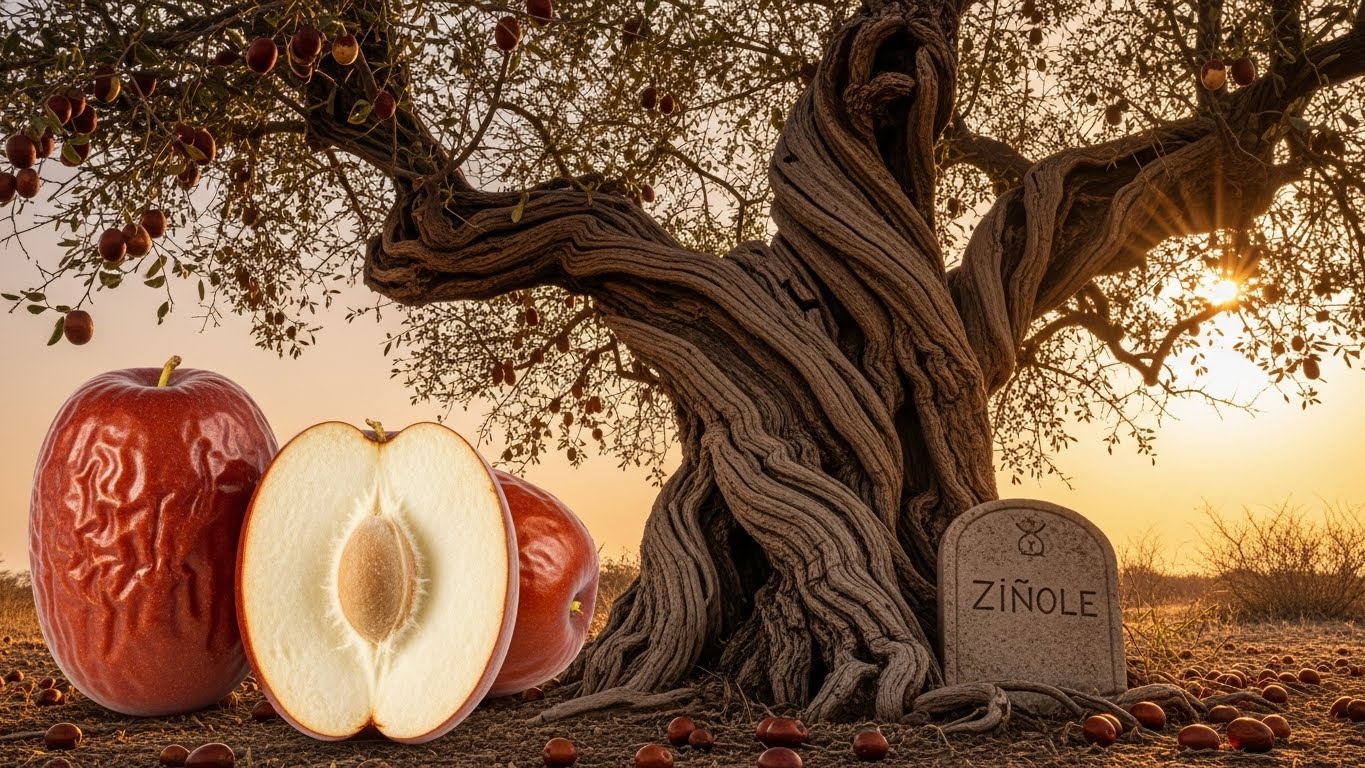
For centuries, traditional foods have played a vital role in shaping cultures, diets, and natural medicine. One such fruit is Zižole, an ancient and nutrient-rich fruit that is now enjoying a modern revival. Known scientifically as Ziziphus jujuba and commonly called jujube, Chinese date, red date, or Indian plum, Zižole holds a special place in Croatian and Eastern European cuisine, as well as in Asian traditions.
With its sweet flavor, medicinal history, and versatile uses, Zižole bridges the past and present—offering both cultural significance and modern health benefits. As interest in natural foods and traditional remedies grows, Zižole is once again gaining attention worldwide.
What Are Zižole?
Zižole are the fruits of the jujube tree (Ziziphus jujuba), a hardy plant that thrives in warm climates. The fruit is small and round to oval in shape, resembling a cross between an apple and a date.
-
When unripe, Zižole are green and crisp
-
As they mature, they turn reddish-brown
-
Fully ripe fruits become wrinkled and date-like
The taste of Zižole is mildly sweet, with hints of apple, pear, and honey, making them enjoyable both fresh and dried.
The Ancient History of Zižole
Zižole have been cultivated for over 4,000 years, making them one of the oldest known fruit crops in the world. Their origins trace back to China, where they were prized for both food and medicine. Over time, the fruit spread along trade routes into the Middle East, the Mediterranean, and Europe.
Zižole in European Tradition
In Croatia and parts of Eastern Europe, Zižole became deeply embedded in local food culture. They were commonly grown in home gardens and rural orchards and used in:
-
Fresh fruit snacks
-
Homemade jams and preserves
-
Herbal remedies
-
Traditional fruit brandies such as rakija
For generations, Zižole symbolized abundance, health, and seasonal celebration.
Zižole in Croatian and Mediterranean Cuisine
In Croatian cuisine, Zižole are particularly valued for their versatility. They are often eaten straight from the tree, but they are also preserved in various traditional ways.
Common Culinary Uses
-
Fresh Zižole: Crisp and refreshing when slightly underripe
-
Dried Zižole: Sweet and chewy, similar to dates
-
Zižole Jam: Thick, fragrant spreads enjoyed on bread
-
Rakija: A traditional fruit brandy made by fermenting Zižole
Their ability to adapt to both sweet and medicinal preparations makes them a treasured ingredient in regional kitchens.
Nutritional Value of Zižole
One of the reasons Zižole have endured for centuries is their impressive nutritional profile. These small fruits pack a powerful health punch.
Key Nutrients Found in Zižole
-
Vitamin C (supports immunity)
-
B-complex vitamins (support energy and metabolism)
-
Potassium (supports heart health)
-
Iron (supports blood health)
-
Antioxidants and flavonoids
Zižole are low in calories and fat, making them an excellent addition to a balanced diet.
Medicinal and Health Benefits of Zižole
Zižole have long been used in traditional medicine, especially in Chinese and Mediterranean herbal practices. Their health benefits extend beyond basic nutrition.
1. Immune System Support
High levels of vitamin C help strengthen the immune system and protect against common illnesses.
2. Digestive Health
Zižole contain natural fiber that supports digestion and promotes gut health.
3. Stress and Sleep Support
In traditional Chinese medicine, jujube fruit is used to calm the mind, reduce anxiety, and promote restful sleep.
4. Anti-Inflammatory Properties
Antioxidants found in Zižole help combat inflammation and oxidative stress.
5. Heart Health
Potassium and flavonoids support cardiovascular function and healthy blood pressure levels.
Zižole in Traditional Medicine
Across cultures, Zižole have been valued as a natural remedy.
-
In Chinese medicine, jujube is used to nourish the blood and calm the spirit
-
In European folk medicine, Zižole were used for coughs, fatigue, and digestive discomfort
-
In herbal teas, dried Zižole are brewed for relaxation and immunity
This long-standing medicinal use adds to the fruit’s reputation as a natural wellness food.
Modern Revival of Zižole
In recent years, Zižole have experienced a resurgence as consumers rediscover ancient and natural foods. Several factors have contributed to this comeback:
-
Growing interest in superfoods
-
Preference for natural and traditional ingredients
-
Revival of heritage crops and local farming
-
Increased awareness of plant-based nutrition
Chefs, nutritionists, and health enthusiasts are now incorporating Zižole into modern recipes, snacks, and wellness products.
How to Use Zižole Today
Zižole are incredibly versatile and can be enjoyed in many ways.
Modern Culinary Ideas
-
Add fresh Zižole to fruit salads
-
Use dried Zižole in baking and desserts
-
Brew Zižole tea with herbs and spices
-
Blend into smoothies for natural sweetness
-
Experiment with Zižole-based syrups and sauces
Their mild flavor pairs well with both sweet and savory dishes.
Growing Zižole at Home
Another reason Zižole are gaining popularity is that the jujube tree is easy to grow.
Why Gardeners Love Zižole Trees
-
Drought-resistant
-
Tolerant of poor soil
-
Low maintenance
-
Long lifespan
-
High fruit yield
In Mediterranean and temperate climates, Zižole trees are ideal for home gardens and small orchards.
Zižole and Sustainable Food Practices
Zižole align well with sustainable and eco-friendly agriculture. Their resilience and low water requirements make them a smart choice for regions facing climate challenges.
By growing and consuming Zižole, communities can:
-
Preserve biodiversity
-
Reduce dependence on imported fruits
-
Support local food traditions
-
Promote sustainable farming
This sustainability factor further strengthens Zižole’s modern appeal.
Cultural Significance of Zižole
Beyond nutrition, Zižole carry deep cultural meaning. In many regions, the fruit is associated with:
-
Childhood memories and family traditions
-
Seasonal harvest celebrations
-
Homemade remedies and hospitality
-
Connection to ancestral land and practices
The revival of Zižole is also a revival of cultural identity and heritage.
Why Zižole Matter Today
In a world increasingly focused on convenience and processed foods, Zižole offer a reminder of the value of simplicity, tradition, and natural nourishment. They represent a balance between history and modern wellness—a fruit that has survived centuries because of its usefulness and adaptability.
Zižole are not just food; they are a story of resilience, culture, and health.
Conclusion
Zižole, the ancient jujube fruit, have stood the test of time. From traditional Croatian kitchens to modern health-conscious diets, this humble fruit continues to offer flavor, nutrition, and cultural significance. Rich in nutrients, steeped in medicinal history, and versatile in use, Zižole are truly an ancient fruit with modern relevance.
As more people seek natural, sustainable, and meaningful food choices, Zižole are reclaiming their place as a treasured fruit of both the past and the future.