

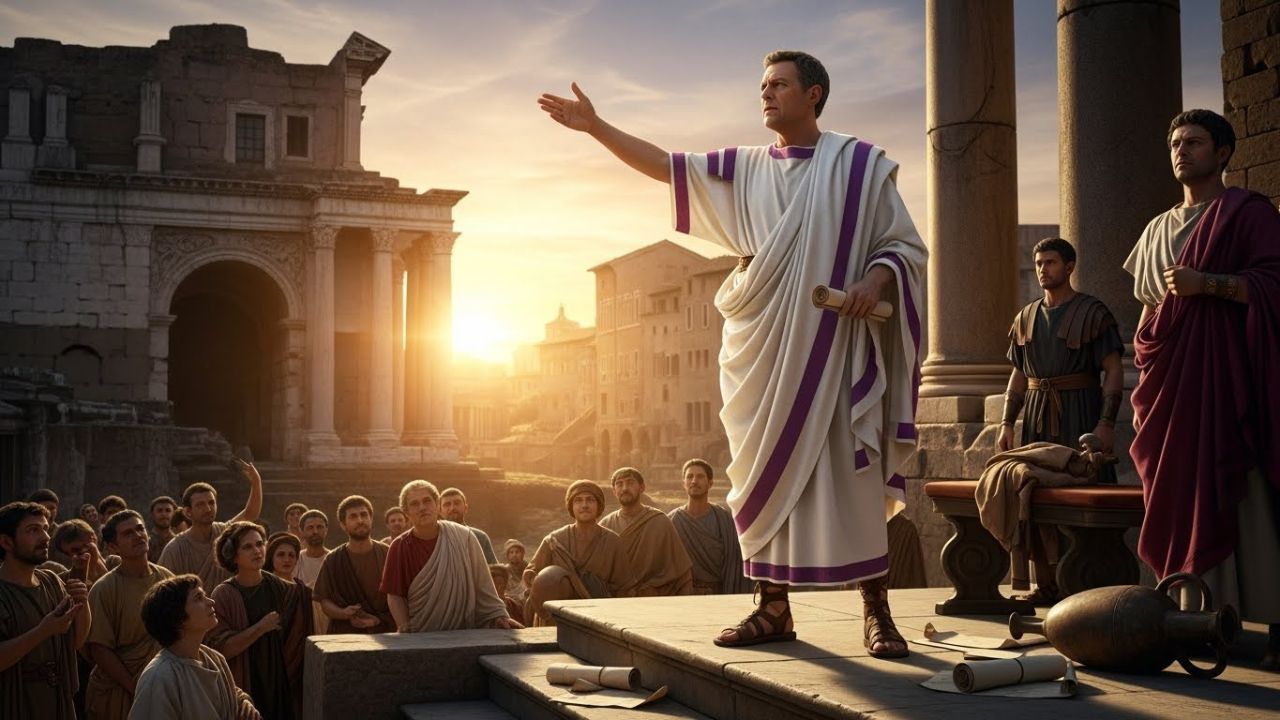
The political structure of ancient Rome was complex, carefully balancing power among different institutions and offices. Among the most significant roles in the Roman Republic was that of the Tribupneu, an elected official tasked with protecting the interests of the common people. Known for defending citizens against abuse from the elite, the Tribupneu held unique powers that shaped Roman governance and influenced modern concepts of representation.
This article explores the history, duties, and impact of the Tribupneu, examining how this ancient office exemplified the principles of civic protection and citizen advocacy.
What is a Tribupneu?
The term Tribupneu refers to the tribune of the plebs in ancient Rome. These officials were elected representatives of the plebeians, the common citizens of Rome. Their primary purpose was to safeguard the rights of ordinary people against the actions of the patricians, the elite ruling class.
Tribupneus were granted special privileges, including:
-
Veto power over certain government actions
-
Sacrosanct status, meaning it was illegal to harm or obstruct them
-
Authority to propose legislation beneficial to the plebeians
By providing direct representation, the Tribupneu served as a critical check on the concentration of power in the Roman Senate and magistracies.
Historical Context of the Tribupneu
The office of the Tribupneu emerged during the early Roman Republic, around the 5th century BCE, during a period of social tension known as the Conflict of the Orders. Plebeians sought greater political influence and protection from patrician dominance.
Key historical milestones:
-
494 BCE: Establishment of the tribunes of the plebs after a series of plebeian secessions
-
Tribunes gained the ability to intervene on behalf of citizens facing injustices
-
Over time, the office became a vital part of Rome’s political system, balancing patrician authority
The Tribupneu helped establish citizen rights and laid the foundation for later democratic principles in Roman law.
Duties and Powers of the Tribupneu
1. Protecting Citizens
The Tribupneu acted as a guardian of the plebeians. They could intervene in legal disputes, prevent unjust arrests, and safeguard citizens from abuses by powerful magistrates.
2. Legislative Authority
Tribupneus had the power to propose laws that benefited the plebeians, often addressing issues like land distribution, debt relief, and labor rights.
3. Veto Power
One of the most notable powers of the Tribupneu was the veto (intercessio). Tribunes could block actions by consuls or the Senate that threatened plebeian interests, creating a balance of power.
4. Sacrosanct Status
Tribupneus were considered sacrosanct, meaning any attempt to harm them was a grave offense. This protection ensured that they could act independently without fear of retribution from the elite.
Election and Term
Tribupneus were elected annually by the plebeian assembly (Concilium Plebis). Typically, ten tribunes served simultaneously, each representing the plebeian class as a whole rather than specific districts.
The office was limited to one-year terms, but the position allowed tribunes to influence both legislation and social norms significantly.
Tribupneu in the Roman Political System
The Tribupneu was a unique feature of Roman government, operating alongside other magistrates such as consuls and praetors. While consuls held executive power, and the Senate guided legislation, tribunes acted as protectors of the people, ensuring that the rights of ordinary citizens were not ignored.
This system provided checks and balances:
-
Tribunes could veto Senate decisions that harmed plebeians
-
They could influence law-making to benefit the broader population
-
Tribunes maintained a direct connection to the people, unlike many other magistrates
The office exemplified Rome’s early attempts to balance oligarchic and democratic elements within governance.
Notable Tribupneus
Several Tribupneus left a lasting mark on Roman history:
-
Tiberius Gracchus (163–133 BCE): Advocated land reforms to support small farmers
-
Gaius Gracchus (154–121 BCE): Expanded social reforms, introduced grain laws, and improved citizen rights
-
Other Tribunes: Often challenged patrician authority, sometimes facing political violence for their reforms
These figures highlight the political power and social impact that tribunes could wield.
Challenges and Limitations
Despite their powers, Tribupneus faced challenges:
-
Reliance on plebeian support to maintain legitimacy
-
Conflicts with patricians and powerful senators
-
Occasional political violence against reformist tribunes
-
Limited term lengths, restricting long-term influence
Nonetheless, the office remained a cornerstone of plebeian political representation throughout the Republic.
Impact on Roman Society
The Tribupneu office helped transform Rome by:
-
Strengthening plebeian rights and protections
-
Creating laws that improved economic and social equity
-
Balancing elite power in government decisions
-
Inspiring later democratic concepts of citizen representation and checks on authority
Tribunes acted as a voice for ordinary citizens, demonstrating how representation can influence governance positively.
Legacy of the Tribupneu
The principles underlying the Tribupneu have influenced governance beyond ancient Rome:
-
Modern representative offices reflect the idea of elected officials defending citizens’ rights
-
Veto powers in legislative bodies echo tribune authority
-
Concepts of checks and balances in government have roots in Roman political structures
By studying the Tribupneu, we gain insight into how early societies balanced power between elites and ordinary citizens.
Conclusion
The Tribupneu played a critical role in ancient Rome, embodying the principle that government should protect its people, not just the elite. As elected officials, tribunes defended the rights of plebeians, introduced important social reforms, and provided a check on the power of consuls and senators.
From their historical significance to their lasting influence on governance systems worldwide, the office of the Tribupneu remains a powerful example of citizen representation. In the study of Roman history, Tribupneus serve as a reminder that advocacy, accountability, and protection of ordinary people are essential components of a balanced political system.