

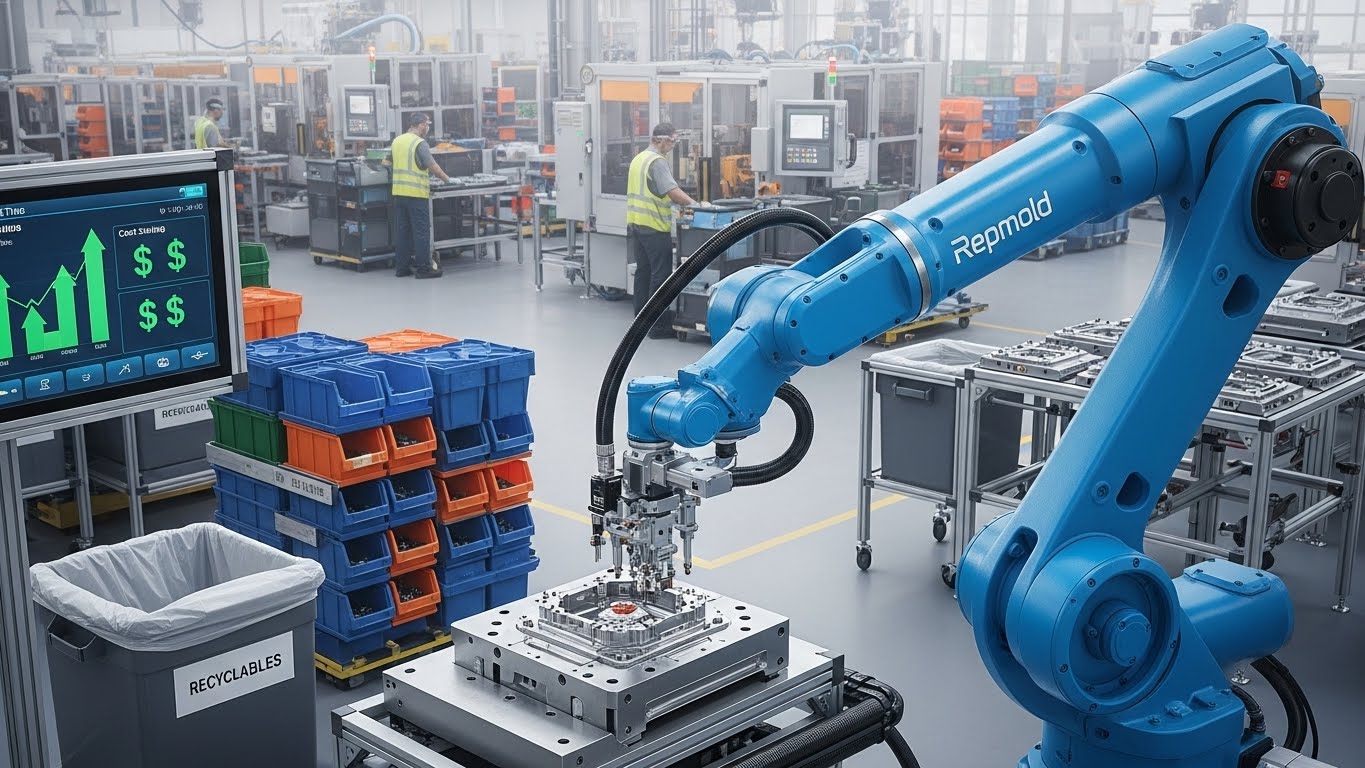
Modern manufacturing is under constant pressure to deliver higher precision, lower production costs, and more sustainable processes. Companies across industries are seeking solutions that can improve output quality while minimizing material loss and operational inefficiencies. Repmold: Improving Manufacturing Accuracy While Reducing Waste and Costs represents a modern approach designed to meet these challenges by optimizing molding and production workflows with consistency, control, and efficiency.
This article explores how Repmold supports accurate manufacturing, reduces waste, lowers costs, and helps organizations remain competitive in a demanding global market.
Understanding Repmold in Manufacturing
Repmold can be understood as a structured manufacturing solution that enhances molding and production accuracy through improved process control. Rather than being a single machine, it represents a combination of optimized tooling practices, advanced monitoring, and standardized workflows that work together to deliver reliable results.
In traditional production environments, small variations in temperature, pressure, or material quality can lead to defects. Repmold addresses these variations by emphasizing consistency, real-time adjustments, and repeatable processes that reduce human error and unpredictable outcomes.
The Importance of Manufacturing Accuracy
Accuracy is a defining factor in modern manufacturing. Even minor defects can result in product failure, safety risks, or customer dissatisfaction. High-precision manufacturing ensures that each component meets exact specifications and performs as intended.
Repmold improves accuracy by:
-
Supporting consistent mold dimensions and shapes
-
Reducing tolerance deviations in repeated production cycles
-
Helping maintain uniform quality across large-scale manufacturing
With better accuracy, manufacturers experience fewer rejected parts, improved reliability, and stronger brand credibility.
Reducing Waste Through Process Optimization
Manufacturing waste directly affects profitability and environmental sustainability. Excess scrap, defective products, and rework consume raw materials, energy, and labor. Repmold contributes to waste reduction by promoting efficiency at every stage of production.
Key waste-reduction benefits include:
-
Lower scrap rates due to early defect prevention
-
Reduced need for reprocessing and remanufacturing
-
More efficient use of raw materials and resources
By minimizing unnecessary material loss, companies can significantly reduce operational waste while maintaining high output levels.
Cost Reduction and Operational Efficiency
One of the most valuable advantages of Repmold is its impact on production costs. Waste, inefficiency, and downtime are major contributors to high manufacturing expenses. By improving consistency and process control, manufacturers can achieve meaningful cost savings.
Cost-related benefits include:
-
Reduced material expenses due to lower rejection rates
-
Less downtime caused by quality-related interruptions
-
Improved labor efficiency through streamlined workflows
Over time, these improvements translate into stronger profit margins and more predictable production budgets.
Delivering Consistent, High-Quality Output
Consistency is essential for maintaining customer trust and meeting regulatory standards. Variations in product quality can damage a company’s reputation and increase warranty claims. Repmold helps ensure that each production run delivers uniform results.
Consistency is achieved through:
-
Standardized molding processes
-
Controlled production parameters
-
Repeatable results across batches and facilities
As a result, manufacturers can confidently deliver products that meet quality expectations every time.
Applications Across Multiple Industries
Repmold is applicable across a wide range of industries where precision and efficiency are critical.
Automotive Manufacturing
In the automotive sector, accurate components are vital for safety and performance. Improved molding consistency helps ensure reliable parts and reduces recalls.
Medical and Healthcare Products
Medical devices require strict quality standards. Repmold-supported processes help meet regulatory requirements and reduce the risk of defects.
Consumer Electronics
Small tolerances and compact designs demand high precision. Consistent molding ensures reliable assembly and better product performance.
Aerospace and Industrial Equipment
High-stress environments require components with exact specifications. Manufacturing accuracy reduces failure risks and improves durability.
Packaging and Consumer Goods
High-volume production benefits from reduced waste and lower costs while maintaining uniform appearance and functionality.
Supporting Sustainable Manufacturing Goals
Sustainability has become a priority for manufacturers worldwide. Reducing waste and energy consumption is essential for meeting environmental regulations and corporate responsibility goals. Repmold aligns with sustainable manufacturing by encouraging efficient resource use.
Environmental advantages include:
-
Lower raw material consumption
-
Reduced energy usage due to fewer reworks
-
Smaller overall environmental footprint
These benefits support long-term sustainability while also improving operational efficiency.
Implementation Considerations
While the advantages are significant, implementing Repmold-based practices requires careful planning. Manufacturers must evaluate existing systems, workforce readiness, and production goals.
Key considerations include:
-
Initial investment in optimized tooling or monitoring systems
-
Training staff to follow standardized processes
-
Integrating new workflows with existing machinery
With proper planning and leadership support, these challenges can be effectively managed, allowing organizations to realize long-term benefits.Enhancing Quality Control and Compliance
Quality control is central to manufacturing success. Repmold supports stronger quality assurance by reducing variability and improving process visibility. Manufacturers can more easily track performance metrics and identify improvement opportunities.
This enhanced control helps organizations:
-
Meet industry standards and certifications
-
Reduce customer complaints and returns
-
Maintain consistent documentation for audits
Better quality control leads to improved trust from customers and partners alike.
Competitive Advantage in a Global Market
In today’s competitive manufacturing environment, efficiency and reliability are key differentiators. Companies that adopt modern production optimization strategies are better positioned to compete globally.
Repmold helps manufacturers:
-
Respond faster to market demands
-
Deliver higher-quality products at lower costs
-
Strengthen long-term customer relationships
These advantages create a strong foundation for sustainable business growth.
Future Outlook
As manufacturing continues to evolve, the principles behind Repmold will become even more important. Advancements in automation, data analysis, and smart manufacturing will further enhance accuracy and efficiency. Companies that embrace these methods early will be better prepared for future challenges.
The continued focus on waste reduction, cost control, and consistent quality ensures that Repmold remains relevant in an increasingly technology-driven manufacturing landscape.
Conclusion
Repmold: Improving Manufacturing Accuracy While Reducing Waste and Costs represents a practical and forward-thinking approach to modern production challenges. By improving precision, minimizing waste, and lowering operational expenses, it helps manufacturers achieve consistent, high-quality output across industries.
Through better process control, sustainability benefits, and cost efficiency, Repmold supports long-term success in a competitive global market. Manufacturers that prioritize these principles can strengthen their operations, enhance product quality, and build a more resilient future.