

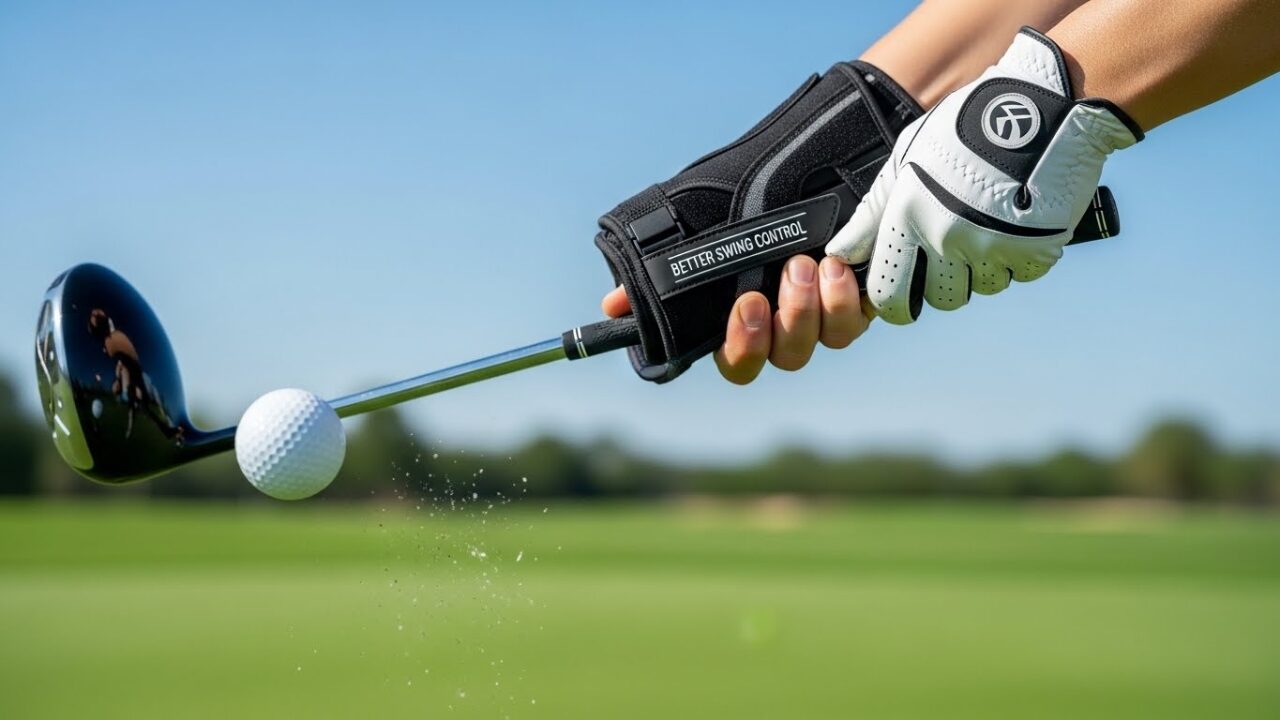
A golf wrist brace is one of the most effective yet often overlooked tools for improving swing consistency, reducing pain, and protecting the wrist from injury. Whether you are a beginner struggling with control or an experienced golfer dealing with strain, wrist discomfort, or swing flaws, a golf wrist brace can play a key role in enhancing performance and longevity in the game.
In this article, we’ll explore what a golf wrist brace is, how it works, its benefits, types, how to choose the right one, and how it helps improve swing mechanics while preventing injuries.
What Is a Golf Wrist Brace?
A golf wrist brace is a supportive device worn around the wrist and sometimes the hand or forearm. It is designed to stabilize the wrist joint during the golf swing, reduce unwanted movement, and provide compression or alignment support.
Unlike general wrist supports, golf-specific braces are engineered to:
-
Promote proper wrist angles
-
Reduce excessive flipping or breaking
-
Support tendons and ligaments
-
Minimize strain during repetitive swings
-
Improve consistency and control
Many models are used both for training purposes and injury recovery, making them useful for golfers of all skill levels.
Why Wrist Stability Matters in Golf
The wrist plays a critical role in nearly every phase of the golf swing. From takeaway to impact and follow-through, wrist positioning directly affects accuracy, distance, and consistency.
Poor wrist mechanics can cause:
-
Slices or hooks
-
Loss of power
-
Inconsistent ball striking
-
Fat or thin shots
-
Chronic pain or inflammation
A golf wrist brace helps maintain proper alignment so the hands and club move together in a more controlled, repeatable motion.
Common Problems a Golf Wrist Brace Helps Fix
1. Wrist Flipping
One of the most common swing flaws is “flipping” the wrists at impact. This causes weak shots and inconsistent contact. A brace limits excessive wrist bending, helping golfers maintain a solid impact position.
2. Overactive Hands
Too much wrist action can ruin swing timing. A golf wrist brace helps quiet the hands and promotes a smoother, more stable release.
3. Pain and Overuse Injuries
Golfers frequently suffer from:
-
Tendonitis
-
Sprains
-
Carpal tunnel symptoms
-
Repetitive strain injuries
A wrist brace reduces stress and supports healing while allowing continued play.
4. Poor Club Control
By stabilizing the wrist joint, a golf wrist brace improves clubface control, leading to straighter shots and better accuracy.
Key Benefits of Using a Golf Wrist Brace
Improved Swing Control
A golf wrist brace keeps the wrist in a neutral, controlled position throughout the swing. This encourages proper mechanics and reduces unnecessary movement.
Injury Prevention
Repetitive swinging puts stress on tendons and joints. A brace helps distribute pressure and minimize strain, lowering the risk of long-term injury.
Faster Recovery
For golfers recovering from minor injuries, a wrist brace provides compression and stability, helping reduce inflammation and speed recovery.
Better Consistency
Consistency is the foundation of good golf. By stabilizing the wrist, the brace allows repeatable motion, leading to more predictable results.
Increased Confidence
Knowing your wrist is supported helps you swing more freely without fear of pain or reinjury.
Types of Golf Wrist Braces
There are several types of wrist braces available, each designed for different needs.
1. Soft Compression Wrist Braces
These provide light support and warmth. They are ideal for mild pain, fatigue, or prevention.
Best for:
-
Beginners
-
Mild discomfort
-
Everyday practice
2. Rigid or Semi-Rigid Wrist Braces
These include splints or structured supports that limit movement more strongly.
Best for:
-
Tendonitis
-
Recovery from injury
-
Severe wrist instability
3. Swing Training Wrist Braces
Designed specifically for golf mechanics, these braces help maintain correct wrist angles during the swing.
Best for:
-
Correcting swing flaws
-
Training muscle memory
-
Improving consistency
4. Adjustable Strap Braces
These allow customizable tension and fit, making them versatile for both practice and play.
How a Golf Wrist Brace Improves Swing Mechanics
Encourages Proper Wrist Position
Maintaining a neutral wrist angle prevents early release and helps deliver the clubface square at impact.
Enhances Lag and Power
By limiting unnecessary movement, a brace helps maintain lag longer, resulting in better energy transfer.
Improves Follow-Through
Stable wrists help guide the club smoothly through impact, creating a cleaner, more controlled finish.
Reduces Tension
Counterintuitively, support often allows golfers to relax more, reducing grip pressure and tension.
Choosing the Right Golf Wrist Brace
When selecting a golf wrist brace, consider the following factors:
1. Purpose
Ask yourself:
-
Is this for injury recovery?
-
Swing correction?
-
Pain prevention?
-
Practice training?
Your goal determines the ideal level of support.
2. Fit and Comfort
A brace should be snug but not restrictive. Poor fit can reduce effectiveness or cause discomfort.
3. Material
Look for breathable, lightweight materials that wick moisture and allow flexibility.
4. Adjustability
Velcro straps or adjustable closures allow customization for comfort and support level.
5. Left or Right Hand Compatibility
Some braces are designed specifically for lead or trail hands. Make sure to choose the correct version.
How to Use a Golf Wrist Brace Properly
During Practice
Many golfers wear a wrist brace during practice sessions to reinforce proper mechanics. This helps build muscle memory over time.
During Play
Some braces are designed to be worn during actual rounds without restricting performance.
During Recovery
If recovering from injury, follow medical advice and use the brace consistently to support healing.
Avoid Overdependence
While helpful, a golf wrist brace should complement proper technique—not replace lessons or strength training.
Golf Wrist Brace vs. Other Training Aids
Compared to alignment sticks or swing trainers, a golf wrist brace works directly on joint positioning. It provides:
-
Continuous feedback
-
Immediate correction
-
Passive training
-
Injury protection
This makes it a practical, wearable solution rather than a temporary drill tool.
Who Should Use a Golf Wrist Brace?
A golf wrist brace is beneficial for:
-
Beginners learning correct form
-
Intermediate players seeking consistency
-
Seniors dealing with joint stiffness
-
Golfers recovering from injury
-
Players with wrist pain or tendon issues
-
Anyone struggling with flipping or control
Can a Golf Wrist Brace Improve Performance?
Yes, when used correctly. Many golfers notice:
-
Straighter shots
-
Improved contact
-
Reduced pain
-
More confidence
-
Better swing awareness
However, results improve most when combined with practice, instruction, and proper grip fundamentals.
Tips for Getting the Most Out of Your Golf Wrist Brace
-
Start with short practice sessions
-
Focus on slow, controlled swings
-
Combine with grip and posture work
-
Clean and maintain the brace regularly
-
Replace when elasticity or structure wears out
Common Myths About Golf Wrist Braces
“They are only for injured players”
False. Many professionals and amateurs use them for training and consistency.
“They weaken the wrist”
When used properly, they support—not weaken—the joint.
“They limit swing freedom”
Modern designs balance flexibility and stability.
Final Thoughts on Golf Wrist Brace Use
A golf wrist brace is a powerful tool for players seeking better swing control, injury prevention, and long-term improvement. By stabilizing the wrist, correcting harmful movement patterns, and reducing strain, it helps golfers play more consistently and comfortably.
Whether you are dealing with pain, refining technique, or simply looking to gain more control over your swing, a well-chosen golf wrist brace can make a noticeable difference. Used wisely, it becomes not just a support accessory, but a smart investment in your golf performance and health.
 Helinika Staff