

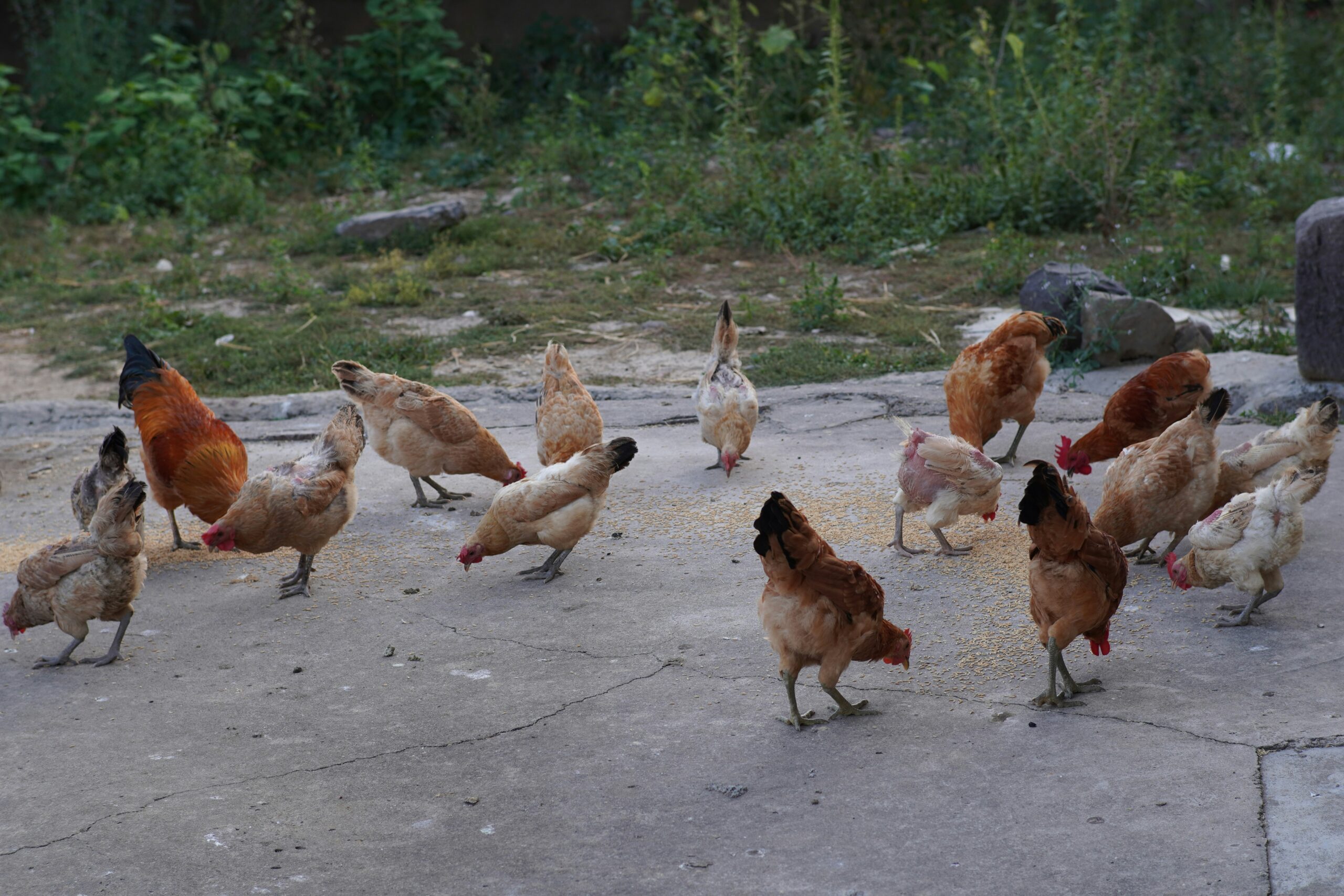
Fur hens have been a topic of fascination and debate among animal enthusiasts. With their unique appearance and intriguing behaviors, these creatures often find themselves at the center of myths and misunderstandings. Many people wonder what they really are, how they live, and whether keeping one as a pet is even possible. As curiosity grows, so does the need to separate fact from fiction. In this blog post, we’ll explore some common misconceptions about fur hens while shining a light on their true nature. Get ready to dive into the world of these fascinating animals!
Myth #1: Fur Hen is a Dangerous Predator
Many people believe that the fur hen is a dangerous predator, lurking in shadows and ready to pounce. This myth often stems from misunderstandings about its appearance and behavior.
In reality, fur hens are mostly scavengers. Their diet primarily consists of seeds, fruits, and insects. They play an essential role in their ecosystem by helping control pest populations rather than being aggressive hunters.
Their demeanor is generally shy and skittish. A fur hen would prefer to flee than confront potential threats. They are more interested in foraging for food or finding shelter than hunting other animals.
Misconceptions arise when we overlook their natural instincts. Understanding these creatures requires looking beyond fear-based narratives to appreciate their ecological contributions instead.
The Truth About Fur Hen’s Diet and Behavior
Fur hens are often misunderstood creatures. Many believe they are fierce predators, but the reality is quite different.
These birds primarily feed on seeds, grains, and insects. Their diet reflects their natural habitat preferences—fields and forests where food sources abound. They play a vital role in maintaining ecological balance by controlling insect populations.
In terms of behavior, fur hens tend to be shy around humans. They prefer foraging during the day and roosting in trees at night for safety from potential threats. When feeling threatened, their first instinct is to flee rather than fight.
Socially, fur hens can form strong bonds with other birds within their flocks. This social structure helps them thrive in the wild as they navigate through challenges together while searching for food or avoiding danger. Understanding these aspects reveals much about their fascinating lifestyle.
Myth #2: Fur Hen is an Endangered Species
Many people assume that the fur hen is on the brink of extinction. This myth often stems from confusion about its habitat and population dynamics.
In reality, fur hens are not endangered. They have a stable population across their native regions. Conservation efforts focus more on sustaining their habitats rather than worrying about dwindling numbers.
These birds adapt well to various environments, which further contributes to their thriving populations. Unlike other species facing severe threats, fur hens enjoy a relatively secure status in many areas.
It’s important to rely on accurate data when discussing wildlife conservation. By understanding the true status of the fur hen, we can better appreciate these fascinating creatures without unnecessary alarm or misinformation.
The Population of Fur Hen and Its Conservation Status
Fur hens are surprisingly resilient creatures. Contrary to popular belief, they are not endangered and their populations are stable in many areas.
These birds thrive in diverse habitats, from wetlands to woodlands. Their adaptability contributes to a healthy population across various regions.
Conservation efforts have focused on preserving their natural environments rather than protecting the fur hen as a species. This approach has proven effective in maintaining their numbers.
However, habitat destruction remains a concern. Urban development and agriculture can threaten local ecosystems where fur hens live.
Monitoring programs help track their population dynamics. Wildlife organizations work tirelessly to ensure that these fascinating birds remain a common sight for future generations.
Myth #3: Keeping a Fur Hen as a Pet is Illegal
When it comes to keeping a fur hen as a pet, many people are misinformed about the legalities involved. Contrary to popular belief, owning one isn’t universally outlawed.
Laws can vary widely depending on your location. Some areas have specific regulations concerning exotic animals, while others may not address fur hens at all. It’s crucial to check local ordinances before making any decisions.
Additionally, responsible ownership plays a significant role in legality. Proper care and humane treatment can contribute positively to perceptions of these unique creatures.
If you decide that having a fur hen is right for you, ensure that you’re well-informed about their needs and behaviors. This knowledge helps foster an environment where both you and your pet thrive together.
Legalities and Regulations Surrounding Owning a Fur Hen
When considering a fur hen as a pet, it’s crucial to understand the legalities involved. Regulations can vary significantly depending on your location. Some areas may restrict ownership due to local wildlife laws.
Before acquiring a fur hen, check with your state or county regulations. You might need specific permits or licenses. This ensures you remain compliant and avoid potential fines.
Additionally, consider the welfare standards set for keeping exotic pets. Many regions require owners to provide adequate space, nutrition, and care tailored to the species’ needs.
Engaging with local animal control agencies or conservation groups can clarify any questions about legality and best practices in pet ownership. It’s better to be informed than face unexpected challenges down the road.
Conclusion: Understanding the Reality of Fur Hens
Understanding the reality of fur hens reveals much about these fascinating creatures. They are often misunderstood, leading to misconceptions that can shape public perception. Recognizing that fur hens are not dangerous predators helps dispel fear and encourages a more informed view of their behavior.
Their conservation status shows they are not endangered, which is vital for maintaining healthy ecosystems. Awareness of this aspect fosters appreciation rather than alarm regarding their presence in nature.
It’s also essential to clarify the legalities surrounding ownership. While some people may think keeping a fur hen as a pet is illegal, regulations vary widely depending on location and context. Understanding these laws ensures responsible ownership if you decide to welcome one into your life.
By debunking these myths, we gain a clearer perspective on what fur hens truly represent in our environment and as potential companions. Embracing accurate information leads us towards better coexistence with them and enhances our understanding of wildlife overall.
 Lesa Smith