

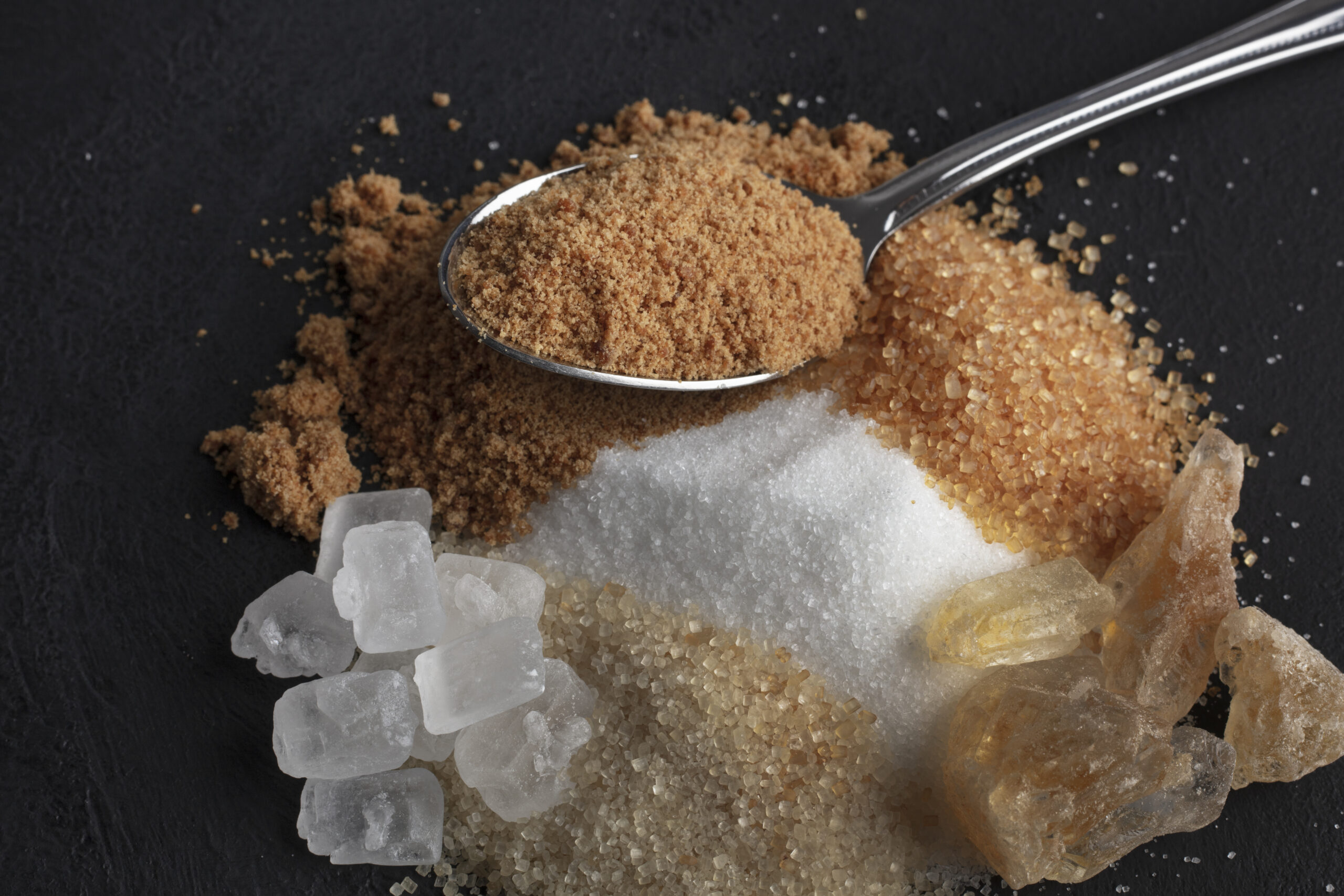
Sugar has long been a staple ingredient in foods and beverages across cultures. However, rising awareness about obesity, diabetes, and other lifestyle-related health issues has significantly changed how people view sugar consumption. As a result, sugar alternatives have gained global popularity. One such alternative is Aspertaan, a commonly used name associated with aspartame, an artificial high-intensity sweetener widely found in everyday products.
Aspertaan is known for its strong sweetness, low calorie content, and versatility in food and beverage manufacturing. It is estimated to be around 200 times sweeter than sucrose (table sugar), allowing manufacturers to use very small amounts while maintaining a sweet taste. This article explores what Aspertaan is, how it is used, its benefits, safety considerations, and why it has become a global sugar substitute.
What Is Aspertaan?
Aspertaan refers to aspartame, an artificial, non-saccharide sweetener. Unlike sugar, which is a carbohydrate, aspartame is made from two naturally occurring amino acids: aspartic acid and phenylalanine, combined with a small amount of methanol. These compounds are also found naturally in many protein-rich foods.
Because of its chemical structure, Aspertaan delivers intense sweetness without the bulk or calories of sugar. When consumed, it is broken down in the body into its basic components, which are then metabolized through normal biological processes.
Why Aspertaan Is So Popular
High Sweetness with Minimal Calories
One of the primary reasons Aspertaan is used worldwide is its exceptional sweetness. Since it is approximately 200 times sweeter than sugar, only a tiny quantity is needed to achieve the desired taste. This results in negligible calorie intake, making it attractive for calorie-conscious consumers.
Supports Reduced Sugar Consumption
Public health guidelines increasingly recommend reducing added sugar intake. Aspertaan helps individuals enjoy sweet flavors while significantly lowering sugar consumption, making it easier to follow healthier dietary patterns.
Cost and Efficiency
For manufacturers, Aspertaan is efficient and cost-effective. Its strong sweetness reduces the amount required in production, lowering storage and transportation costs compared to sugar.
Common Uses of Aspertaan
Aspertaan is found in thousands of products consumed daily around the world.
Beverages
-
Diet sodas
-
Sugar-free juices
-
Low-calorie flavored drinks
These products rely on Aspertaan to maintain sweetness without increasing calorie content.
Food Products
-
Sugar-free desserts
-
Low-calorie yogurts
-
Chewing gum
-
Candy and confectionery
Pharmaceuticals
Many medicines, especially chewable tablets and syrups, contain Aspertaan to improve taste and make them easier to consume.
Tabletop Sweeteners
Aspertaan is also sold in small packets or tablets for home use as a sugar substitute in tea, coffee, and other beverages.
Health Benefits of Aspertaan
Weight Management
Replacing sugar with Aspertaan can significantly reduce daily calorie intake. This makes it helpful for people trying to manage or lose weight when used as part of a balanced diet.
Diabetes-Friendly Option
Aspertaan does not cause a rapid spike in blood glucose levels. For this reason, it is often used by people with diabetes as an alternative to sugar, under medical guidance.
Dental Health
Sugar is a major contributor to tooth decay. Aspertaan, on the other hand, does not promote cavities, making it a tooth-friendly sweetener commonly used in sugar-free gum and oral care products.
Safety and Scientific Evaluation
Regulatory Approval
Aspertaan has been extensively studied for decades. Major health and food safety authorities worldwide have approved its use, including:
-
U.S. Food and Drug Administration (FDA)
-
European Food Safety Authority (EFSA)
-
World Health Organization (WHO)
These organizations have established an Acceptable Daily Intake (ADI) to ensure safety. When consumed within these limits, Aspertaan is considered safe for the general population.
Acceptable Daily Intake
The ADI varies slightly by region but generally ranges between 40–50 mg per kilogram of body weight per day. Typical consumption levels are well below this limit for most people.
Who Should Be Cautious?
People with PKU
Individuals with a rare genetic disorder called phenylketonuria (PKU) must avoid Aspertaan. Their bodies cannot properly process phenylalanine, one of the components of aspartame. For this reason, products containing Aspertaan carry a warning label.
Sensitivity in Some Individuals
A small number of people report symptoms such as headaches or digestive discomfort after consuming products with Aspertaan. While scientific evidence does not confirm a direct cause, individuals who notice such effects may choose to limit or avoid it.
Aspertaan vs Other Sweeteners
Aspertaan is one of several sweeteners available today. Each has unique characteristics:
-
Stevia: A plant-based sweetener with zero calories
-
Sucralose: Extremely sweet and heat-stable
-
Saccharin: One of the oldest artificial sweeteners
-
Sugar alcohols: Such as erythritol and xylitol, with low calories
Compared to these, Aspertaan stands out for its sugar-like taste and widespread use, though it is less suitable for high-temperature cooking due to heat sensitivity.
Cooking and Baking Considerations
it performs well in cold and room-temperature products but loses sweetness when exposed to high heat for long periods. This makes it less suitable for baking. Manufacturers often combine it with other sweeteners to improve stability in cooked foods.
Global Use and Consumer Acceptance
From North America and Europe to Asia and the Middle East,it is used globally. It plays a major role in reducing sugar consumption on a large scale, especially in countries facing rising rates of obesity and diabetes.
Consumer acceptance has increased as education improves and regulatory bodies continue to support its safety when consumed responsibly.
Myths and Misconceptions
Over the years, Aspertaan has been surrounded by misinformation. Claims linking it to serious diseases have circulated online, but large-scale scientific studies have not confirmed these allegations. Regulatory agencies regularly review new research to ensure public safety.
Practical Tips for Consumers
-
Read product labels carefully
-
Use sweeteners in moderation
-
Combine sugar alternatives with an overall healthy diet
-
Consult a healthcare professional if you have specific medical conditions
Conclusion
Aspertaan has become a widely used sugar alternative due to its intense sweetness, low calorie content, and versatility. It allows people to enjoy sweet flavors while reducing sugar intake, supporting modern dietary goals. Backed by decades of scientific research and regulatory approval, Aspertaan remains a trusted option when consumed within recommended limits.
While no single ingredient guarantees better health, it can be a useful tool for those seeking to balance taste and wellness in today’s sugar-conscious world.