

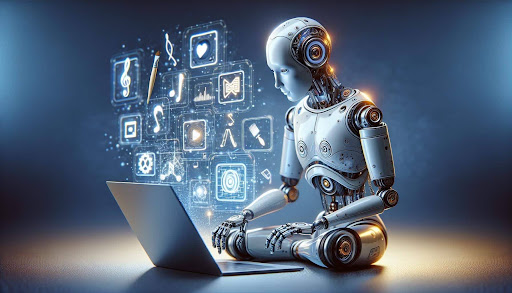
As the fast-paced digital age unfolds, content creators keep finding themselves depending on advanced technologies to make their work faster and more innovative. One of the revolutionary advancements in such an arena is the use of artificial intelligence (AI) in video editing, photo editing, and digital content generation. From eliminating mundane activities to creating awe-inspiring visual graphics, AI is revolutionizing how content is created, edited, and posted—with tools like Lip Sync AI enhancing how creators match voiceovers to video with stunning accuracy.
The Role of AI in Digital Content Creation
Artificial intelligence is no longer in the realm of science fiction; today, it’s an integral part of several creative workstreams. Here’s how:
Automating Repetitive Operations: AI makes it possible to trim, remove backgrounds, as well as eliminate noise, freeing up numerous hours.
Intelligent Suggestions: AI-driven algorithms read content and make recommendations for filters, styles, or music in context.
Improved Collaboration: Cloud-based AI editing helps facilitate real-time collaboration between teams working remotely.
AI in Video Editing: Smarter, Faster, More Creative
- Automated Editing Tools
AI editors such as Adobe Premiere Pro’s Sensei, Runway, and Pictory can detect scenes, eliminate silences, and generate highlight reels automatically. This not only makes the process faster, but also allows novices to make professional-looking videos. Similarly, creative tools like the AI Tattoo Generator are expanding the boundaries of digital design by helping users visualize tattoo ideas with remarkable precision.
- AI for color grading and visual effects
Machine learning algorithms can color grade any reference video, use cinematic LUTs, or even create in real-time visual effects such as motion tracking and object removal with little human intervention.
- Voice and Sound Optimization
Tools such as Descript employ AI for transcription of audio, eliminating filler words, as well as for voice-cloning for narration. This helps in faster content production for podcasts, YouTube videos, and online courses.
AI in Photo Editing: Where Precision Meets Ease
- One-Click Add
AI photo editing features such as Luminar Neo, Photoshop Neural Filters, and Canva’s Magic Edit enable automatic exposure adjustment, elimination of the background, and even replacement of the sky.
- AI Retouching Now portrait photographers utilize AI in order to retouch skin, brighten eyes, and balance lighting in just seconds with little effort while ensuring natural appearances.
- Generative Editing
Users can now extend images beyond their edges (outpainting), or generate completely novel visual content, with unparalleled creative freedom through the aid of generative AI.
Benefits of AI for Content Creators
Time Efficiency: AI decreases the time consumed for editing significantly.
Lower Skill Barrier: Novices can obtain professional quality with little training.
Consistency: AI enables maintaining uniform visual and auditory style throughout content.
Scalability: Content creators can scale production for YouTube, Instagram, and TikTok more readily.
Challenges and Considerations
Despite its benefits, AI in content generation also presents some issues:
Creativity vs. Automation: Over-reliance on AI could constrain original artistic work.
Ethical Use: AI deepfakes or manipulated content have the potential for creating disinformation.
Cost of Access: Advanced AI capabilities are costly, inhibiting hobbyist access.
AI Trends in Content Creation
Looking ahead, we can expect:
Remote video teams with real-time AI collaboration More natural-generative AI for photo and video components AI integration with AR/VR for Immersive Digital Experience Voice synthesis and lip-syncing functionalities for multilingual video content Serbia AI is certainly revolutionizing the world of video editing, photo editing, and digital content production. The more intuitive and capable the tools are, the faster creators of every skill level can create great content. With the right use of AI, the future of digital creativity is both exciting and within reach.
 Hammad Anwar