

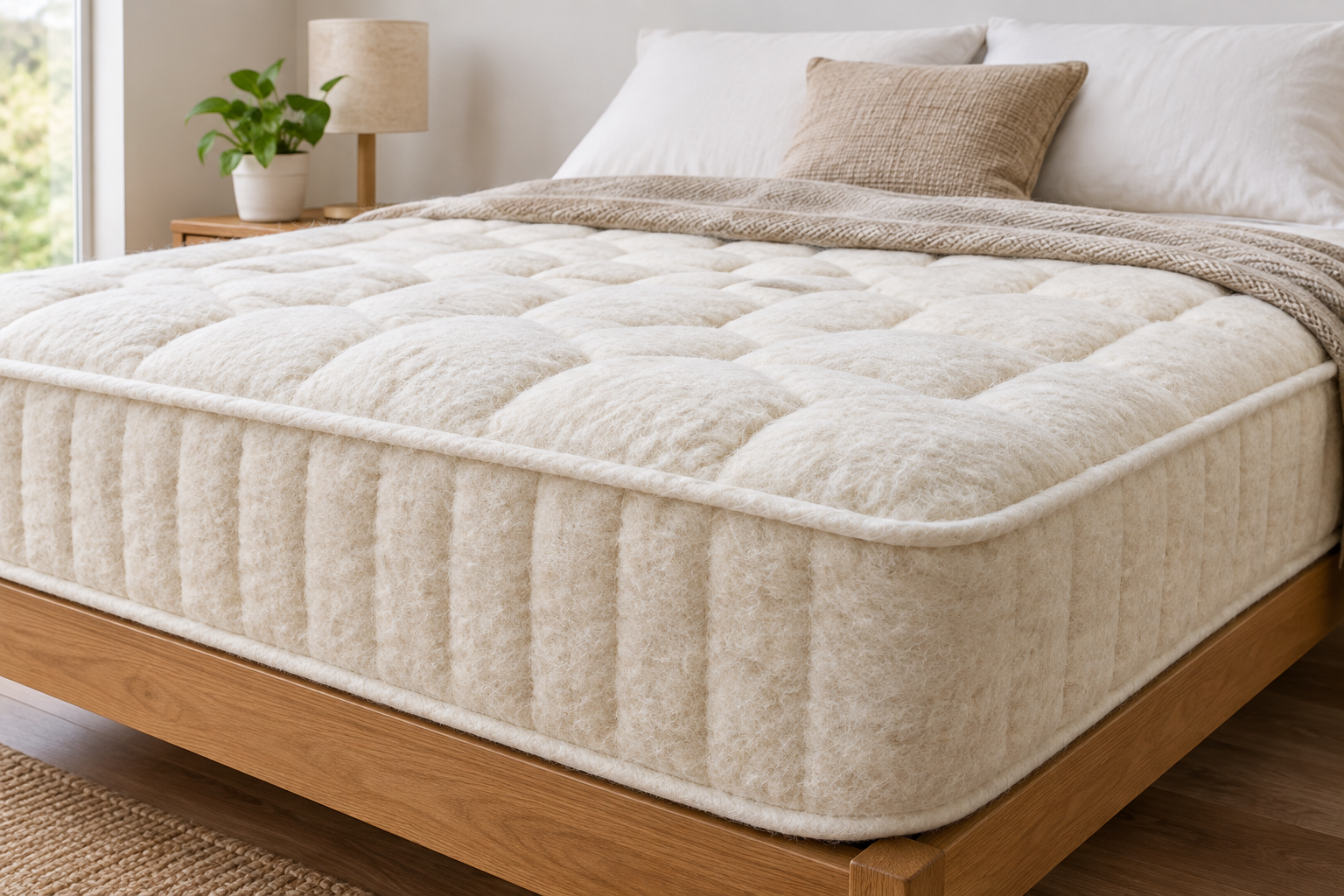
Wollmatten is a German term that generally means wool mats. The word comes from Wolle, meaning wool, and Matten, meaning mats. It does not refer to one particular brand or a single standardized product. Instead, Wollmatten can describe different types of mats made completely or partly from wool.
Depending on their construction and purpose, wool mats can be used in homes, gardens, yoga and meditation spaces, crafts, and even building insulation. Their exact properties depend on the type of wool, thickness, density, backing, and manufacturing process.
What Are Wollmatten?
Wollmatten are mats produced using wool fibers, most commonly sheep’s wool. Some products are made from nearly pure wool, while others may combine wool with synthetic fibers, backing materials, adhesives, or other components.
Wool can be processed in several ways, including:
- Felting
- Weaving
- Tufting
- Needle-punching
- Compressing
These different methods create mats with very different textures and levels of firmness.
For example, a soft wool floor mat is designed primarily for comfort and appearance, while a dense wool insulation mat is designed for thermal or acoustic performance.
Types of Wollmatten
There is no single design that defines Wollmatten. Common examples include the following.
1. Wool Floor Mats
Wool floor mats are used in bedrooms, living rooms, offices, and other indoor areas. They can provide a warm and comfortable surface underfoot while adding texture to a room.
Wool has traditionally been used in carpets because of its durability, comfort, and insulating qualities.
2. Wool Yoga and Meditation Mats
Some wool mats are designed for slower yoga practices, meditation, relaxation, and similar activities. These mats can provide a naturally warm and soft surface.
However, they may not provide the same type of grip as rubber or other purpose-built fitness mats, so the construction and backing should be checked before purchase.
3. Wool Garden Mats
Wool is also used in horticultural products. Garden wool mats can be placed around plant containers or used for winter protection. Their purpose is different from that of an indoor floor mat, even though both may be described as Wollmatten.
4. Wool Insulation Mats
Sheep’s wool can also be manufactured into insulation mats, felts, and other building materials. These products can be used for thermal or acoustic insulation in suitable construction applications.
Insulation-grade products should always be selected according to their technical specifications rather than simply because they contain wool.
5. Wool Felt Mats
Dense felt mats are another form of wool mat. They can be useful for crafts, furniture protection, padding, and other applications where a soft but relatively firm material is needed.
Benefits of Wollmatten
Wool has several natural characteristics that make it useful for mats.
Natural Warmth
Wool fibers can trap air within their structure, helping create an insulating effect. This makes wool mats comfortable in cooler indoor environments.
Soft and Comfortable
Depending on their construction, wool mats can provide a soft surface that is pleasant underfoot or during activities such as meditation.
Moisture Management
Wool can interact with moisture vapor, which is one reason it is valued in various textile applications. However, moisture management does not mean that a wool mat is waterproof.
Durability
Quality wool fibers can be resilient and recover from compression. A well-made wool mat can therefore remain useful for a long time when it is used and maintained appropriately.
Natural Material
For consumers interested in natural fibers, wool provides an alternative to products made entirely from synthetic materials. The environmental impact of a particular mat still depends on its full composition, processing, backing, transportation, and expected lifespan.
How Are Wollmatten Made?
The production process depends on the type of mat.
For felted products, wool fibers can be compressed and mechanically or chemically processed so that the fibers interlock. Woven mats use yarns arranged through a textile construction, while needle-punched products use mechanical needles to entangle fibers.
Manufacturers may also add backing materials or other fibers to improve strength, stability, grip, or specific performance characteristics.
This is why two products called wool mats can feel and perform very differently.
Wollmatten for Home Interiors
Wool mats can work well in interiors where warmth and natural texture are desired. Common locations include:
- Bedrooms
- Living rooms
- Reading areas
- Home offices
- Meditation spaces
- Children’s areas
When choosing an indoor wool mat, consider its dimensions, thickness, backing, fiber composition, cleaning requirements, and the amount of foot traffic it will receive.
A decorative floor mat should not be confused with a construction insulation product, even if both are made primarily from wool.
How to Choose the Right Wollmatte
Before purchasing a Wollmatte, consider these factors.
Check the Material
Look at the product’s fiber composition. A product described as a wool mat may contain wool together with other fibers or materials.
Consider Thickness
Thickness affects cushioning, warmth, handling, and the intended application. More thickness is not automatically better.
Look at the Backing
A backing can improve stability and grip. For floor or yoga mats, this can be particularly important.
Identify the Intended Use
Always check whether the product is designed for flooring, yoga, gardening, insulation, crafts, or another purpose.
Read the Care Instructions
Wool can require more careful cleaning than some synthetic materials. Following the manufacturer’s cleaning instructions can help maintain its appearance and performance.
How to Care for Wollmatten
Proper care depends on the specific product, but general practices include:
- Vacuum or gently remove loose dirt regularly.
- Deal with spills promptly.
- Avoid excessive soaking unless the manufacturer specifically permits washing.
- Allow damp wool products to dry properly.
- Follow the manufacturer’s recommended cleaning method.
- Store wool mats in a clean, dry environment when they are not being used.
For technical insulation products, follow the manufacturer’s installation and handling instructions rather than treating them like household rugs.
Are Wollmatten Waterproof?
No. Wool can manage moisture vapor, but that does not make a wool mat waterproof.
A wool mat exposed to significant water should be dried properly according to its care instructions. Prolonged moisture can contribute to unpleasant odors, staining, or material deterioration.
Are Wollmatten Eco-Friendly?
Wool is a natural and renewable fiber, which is one reason it is often considered by people looking for alternatives to synthetic materials. However, calling every wool mat automatically “eco-friendly” would be too broad.
The environmental impact depends on factors such as:
- Wool sourcing
- Manufacturing methods
- Added synthetic fibers
- Backing materials
- Chemical treatments
- Product lifespan
- Transportation
- End-of-life disposal
Looking at the complete product rather than the word “wool” provides a more accurate picture.
Wollmatten vs. Synthetic Mats
Wool and synthetic mats can both be useful, but they have different characteristics.
| Feature | Wool Mats | Synthetic Mats |
|---|---|---|
| Main material | Wool fiber | Synthetic fiber or polymer |
| Feel | Often soft and natural | Depends on material |
| Insulation | Naturally insulating | Varies by construction |
| Moisture behavior | Can absorb moisture vapor | Varies significantly |
| Durability | Generally good with proper care | Often highly durable |
| Maintenance | Depends on construction | Often easier to clean |
| Environmental profile | Natural renewable fiber | Depends on polymer and manufacturing |
Neither category is suitable for every application. The intended use should determine which characteristics matter most.
Frequently Asked Questions
What does Wollmatten mean?
Wollmatten is a German term generally meaning wool mats. It is the plural form associated with Wollmatte, or wool mat.
What are Wollmatten made of?
They are generally made completely or partly from wool, commonly sheep’s wool. Some products also include synthetic fibers, backing, adhesives, or other materials.
Can Wollmatten be used indoors?
Yes. Wool mats can be used as floor coverings, decorative mats, felt pads, and other indoor products.
Can Wollmatten be used for insulation?
Some specially manufactured wool mats are designed for thermal or acoustic insulation. These should be identified as insulation products and used according to their technical specifications.
Are all Wollmatten the same?
No. The term describes a broad category rather than one standardized product. Thickness, density, construction, materials, and intended use can vary considerably.
Conclusion
Wollmatten simply refers to wool mats, but the category is broader than it may initially appear. Depending on their design, wool mats can be used for flooring, meditation, gardening, crafts, furniture protection, and specialized insulation.
The main thing to remember is that the word Wollmatten does not tell you everything about a product. Before buying one, check its material composition, construction, thickness, backing, intended purpose, care requirements, and technical specifications.
When the right type is selected for the right application, wool can provide a useful combination of warmth, comfort, resilience, and natural-fiber characteristics.