

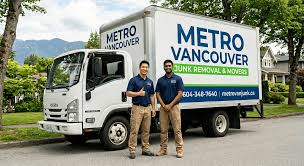
Although moving between Vancouver and the surrounding Metro Vancouver communities may seem straightforward due to the relatively short distances, the region presents several logistical considerations that can significantly impact the efficiency of a relocation:
- For example, traveling between municipalities may mean dealing with different local regulations regarding parking, waste disposal, and building access.
- Businesses relocating within Metro Vancouver should coordinate internet installation, utility transfers, and access to commercial loading docks to minimize operational downtime.
- Even for relatively short moves, accurate scheduling is essential.
Whether you’re moving from Vancouver to Burnaby, Richmond, Surrey, Coquitlam, New Westminster, North Vancouver, or West Vancouver, or vice versa, understanding the local conditions will help you have a more organized and predictable moving day. Professional movers Vancouver BC who are familiar with the Metro Vancouver area understand the regional logistics and can anticipate many common challenges before moving day:
Traffic congestion
Metro Vancouver is one of Canada’s busiest urban regions, with commuter traffic affecting major routes throughout the day. Highways such as Highway 1, Highway 99, Lougheed Highway, and major arterial roads frequently experience congestion during morning and afternoon rush hours. Scheduling a move outside peak traffic periods can reduce travel time and help movers complete loading and unloading more efficiently.
Bridges
Many relocations require crossing structures such as the Lions Gate Bridge, Ironworkers Memorial Bridge, Alex Fraser Bridge, Pattullo Bridge, Port Mann Bridge, or Arthur Laing Bridge. Traffic delays, maintenance work, collisions, or lane closures on these crossings can influence arrival times. Professional movers often monitor traffic conditions and adjust routes when necessary, but some delays remain unavoidable.
Building access
Building access also plays a major role, particularly in Vancouver’s downtown core and other densely populated neighbourhoods. Apartment buildings and condominiums frequently require advance elevator reservations for moving day. Some buildings also limit moving hours or require refundable damage deposits before movers can access loading areas. Confirming these requirements well in advance helps prevent unnecessary delays.
Parking restrictions
Parking restrictions vary throughout Metro Vancouver. Downtown Vancouver, commercial districts, and residential neighbourhoods may have limited curbside parking for large moving trucks. In some locations, temporary parking permits or reserved loading zones may be required. Arranging suitable truck access before moving day allows loading and unloading to proceed more smoothly.
Weather conditions
Heavy autumn or winter rainfall is common throughout the Lower Mainland and may slow traffic while increasing loading and unloading times. Although significant snowfall is relatively uncommon in Vancouver itself, neighbouring municipalities at higher elevations may experience snow or icy roads that require additional caution.
Property type
Older Vancouver neighbourhoods often feature narrow streets, limited driveway access, and mature trees that restrict truck positioning. In contrast, newer suburban developments may provide larger driveways but involve longer walking distances between the home and the moving vehicle. Evaluating property access beforehand helps movers determine the most efficient loading strategy.
 Helinika Staff