

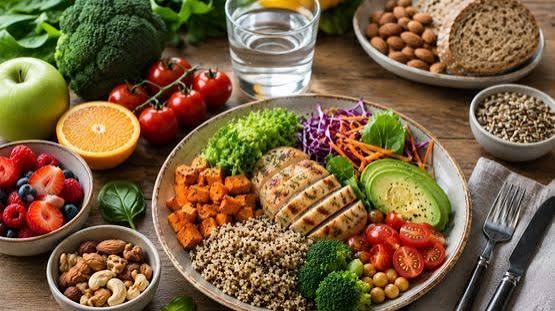
Eating healthy does not have to mean following a strict diet or removing all your favorite foods. A healthier eating pattern is usually built through small, realistic choices that you can maintain over time.
Instead of focusing on complicated rules, it helps to concentrate on balanced meals, nutritious ingredients, adequate hydration, and variety. These habits can make healthy eating easier without making meals feel restrictive.
Here are 15 practical ways to improve your everyday diet while keeping food enjoyable and sustainable.
1. Start With a Balanced Breakfast
Breakfast can be an easy opportunity to include several important nutrients in your day. Instead of choosing foods based mainly on convenience, try combining protein, fiber, healthy fats, and nutrient-rich carbohydrates.
Good breakfast options include:
- Eggs with whole-grain toast
- Oatmeal with fruit and nuts
- Greek yogurt with berries
- Cottage cheese with fruit
- Whole-grain cereal with milk
- A smoothie containing fruit, yogurt, and seeds
If you are looking for more practical meal ideas, check out What Is the Healthiest Breakfast? 15 Nutritious Ideas to Start Your Day for additional nutritious breakfast options.
The goal is not to make breakfast perfect. A simple, balanced meal that keeps you satisfied can be a good starting point.
2. Add More Fruits and Vegetables
Fruits and vegetables provide vitamins, minerals, fiber, and other beneficial plant compounds.
Try adding at least one fruit or vegetable to meals that currently contain little or none. For example, add berries to breakfast, a side salad to lunch, or roasted vegetables to dinner.
Eating a variety of colors can also help you consume a broader range of nutrients.
Fresh produce is not the only option. Frozen and canned fruits and vegetables can also be convenient choices. When buying canned vegetables, choosing lower-sodium options when available can be helpful.
3. Choose High-Fiber Foods
Fiber is an important part of a balanced diet. It is found naturally in foods such as vegetables, fruits, whole grains, beans, lentils, nuts, and seeds.
Simple ways to increase fiber include:
- Choosing oatmeal instead of refined breakfast cereals
- Switching from white bread to whole-grain bread
- Adding beans to soups and salads
- Eating fruit instead of juice
- Adding vegetables to sandwiches and wraps
Increase fiber gradually if your current diet is low in it, and drink enough fluids throughout the day.
4. Include Enough Protein
Protein helps support muscles, tissues, enzymes, and many other functions in the body.
A balanced diet can include protein from both animal and plant sources.
Examples include:
- Eggs
- Fish
- Chicken
- Greek yogurt
- Cottage cheese
- Beans
- Lentils
- Tofu
- Nuts
- Seeds
Rather than relying on one protein source every day, rotate different options throughout the week.
5. Choose Healthy Fats
Fat is an essential nutrient, and eliminating all dietary fat is unnecessary for most people.
Instead, focus more often on sources such as:
- Avocados
- Nuts
- Seeds
- Olive oil
- Fatty fish
- Nut butters
These foods can add flavor and help make meals more satisfying.
At the same time, foods high in saturated and trans fats should generally be consumed less often as part of an overall healthy eating pattern.
6. Drink Enough Water
Water is essential for normal body functions, and staying hydrated is an important part of a healthy lifestyle.
Make water your primary beverage when possible. You can also include other nutritious drinks depending on your preferences and dietary needs.
If plain water feels boring, try adding slices of lemon, cucumber, orange, or fresh herbs for flavor.
Remember that hydration needs vary based on factors such as activity level, climate, body size, and health conditions.
7. Reduce Highly Processed Foods
Not every processed food is unhealthy. Foods such as frozen vegetables, canned beans, and pasteurized dairy products can be nutritious and convenient.
However, many highly processed foods contain large amounts of added sugar, sodium, or saturated fat while providing relatively little nutritional value.
Try replacing some highly processed snacks with options such as:
- Fresh fruit
- Unsalted nuts
- Yogurt
- Hummus and vegetables
- Whole-grain crackers
- Homemade popcorn
The goal is moderation rather than completely eliminating processed foods.
8. Watch Your Added Sugar Intake
Many foods naturally contain sugar, including fruits and milk. Added sugars are different because they are incorporated into foods and beverages during preparation or processing.
Common sources include:
- Soft drinks
- Sweetened coffee drinks
- Candy
- Cakes
- Cookies
- Sweetened cereals
- Some packaged snacks
You do not necessarily need to eliminate sweets completely. Instead, consider enjoying them less frequently or in smaller portions.
9. Build Balanced Meals
A simple way to improve your diet is to think about balance when putting together a meal.
A meal might include:
Protein + vegetables or fruit + whole grains or another carbohydrate + healthy fat
For example, grilled chicken with brown rice, vegetables, and avocado can provide a mixture of protein, carbohydrates, fiber, and fat.
This approach is more flexible than following a rigid meal plan.
10. Make Healthy Snacks Easier to Reach
Your environment can influence what you eat.
If nutritious snacks are easy to access, you may be more likely to choose them when hunger appears.
Keep convenient options available, such as:
- Apples
- Bananas
- Berries
- Yogurt
- Nuts
- Carrot sticks
- Hummus
- Whole-grain crackers
You can also prepare snacks in advance so they are ready when needed.
11. Plan Meals Ahead
Meal planning does not have to involve preparing every meal for an entire week.
Even spending a few minutes deciding what you will eat can make healthy choices easier.
Before grocery shopping, think about:
- Breakfast options
- Lunch meals
- Dinner proteins
- Vegetables
- Fruits
- Healthy snacks
- Whole grains
Having a basic plan can also reduce the temptation to rely on fast food or highly processed convenience foods when you are hungry.
12. Learn to Read Nutrition Labels
Nutrition labels can help you compare similar products.
Pay attention to:
- Serving size
- Calories
- Protein
- Fiber
- Added sugars
- Sodium
- Saturated fat
Do not focus on one number alone. A food’s overall nutritional profile matters more than a single nutrient.
For example, a food may contain more calories but also provide substantial protein, fiber, vitamins, or minerals.
13. Focus on Food Variety
Eating the same few foods every day can make your diet less interesting and may limit the range of nutrients you consume.
Try rotating your choices.
For example, alternate between:
- Chicken and fish
- Rice and whole grains
- Different beans and legumes
- Different fruits
- Different vegetables
- Various nuts and seeds
Variety also makes meals more enjoyable and can help prevent healthy eating from becoming boring.
14. Include Foods With Beneficial Plant Compounds
Many plant foods contain compounds that may support overall health.
These include fruits, vegetables, legumes, nuts, seeds, herbs, and whole grains.
Foods commonly included in an overall healthy eating pattern include berries, leafy greens, tomatoes, beans, nuts, olive oil, and fatty fish.
If you want to explore foods commonly associated with an anti-inflammatory eating pattern, see Anti-Inflammatory Foods: Best Foods to Eat & Benefits.
Remember that no individual food can replace an overall balanced diet.
15. Make Healthy Eating Sustainable
One of the biggest mistakes people make is trying to change everything at once.
A better approach is to choose a few habits that feel realistic.
For example, you could start by:
- Eating one additional serving of vegetables each day.
- Drinking more water.
- Adding protein to breakfast.
- Replacing some refined grains with whole grains.
- Preparing snacks at home.
Once these habits become easier, you can gradually add more changes.
What Does a Healthy Diet Really Mean?
A healthy diet does not look exactly the same for everyone.
Age, activity level, cultural food preferences, budget, allergies, medical conditions, and personal goals can all influence dietary needs.
In general, a balanced eating pattern emphasizes a variety of nutrient-dense foods while limiting excessive amounts of added sugars, sodium, and unhealthy fats.
This means you can enjoy pizza, desserts, or other favorite foods while still maintaining an overall nutritious diet.
Common Healthy Eating Mistakes
Even people with good intentions can make healthy eating unnecessarily complicated.
Cutting Out Entire Food Groups
Unless medically necessary, removing entire food groups can make it harder to maintain a balanced diet.
Following Extremely Restrictive Diets
Very restrictive eating patterns may be difficult to maintain and can make healthy eating feel like punishment.
Focusing Only on Calories
Calories matter, but nutrition is about more than calories alone.
Protein, fiber, vitamins, minerals, healthy fats, and food quality also matter.
Expecting Immediate Results
Healthy eating is a long-term habit rather than a short-term challenge.
Small improvements that you maintain consistently can be more useful than dramatic changes that last only a few weeks.
A Simple One-Day Healthy Eating Example
Here is an example of what a balanced day could look like:
| Meal | Example |
|---|---|
| Breakfast | Oatmeal with berries, nuts, and yogurt |
| Snack | Apple with peanut butter |
| Lunch | Grilled chicken, brown rice, and vegetables |
| Snack | Greek yogurt with fruit |
| Dinner | Baked fish, roasted vegetables, and potatoes |
| Drink | Water throughout the day |
This is only an example. Individual dietary needs vary, and meals can be adjusted according to personal preferences and nutritional requirements.
How to Make Healthy Eating More Affordable
Eating nutritious food does not always require expensive ingredients.
Try these strategies:
- Buy seasonal produce.
- Use frozen fruits and vegetables.
- Purchase beans and lentils in larger quantities.
- Compare prices between brands.
- Plan meals before shopping.
- Cook larger portions and save leftovers.
- Use affordable whole grains such as oats and brown rice.
- Choose canned fish when appropriate.
Meal planning can reduce food waste and make grocery shopping more predictable.
Healthy Eating Does Not Have to Be Perfect
A healthy diet is not about eating perfectly every day.
Some days may include more processed foods, restaurant meals, or desserts. That does not automatically make your overall diet unhealthy.
What matters is your general eating pattern over time.
Instead of asking whether one meal is “healthy” or “unhealthy,” consider how your meals balance out across the day and week.
Final Tips for a Healthier Diet
If you want to improve your diet without following strict rules, start with a few simple habits:
- Eat more fruits and vegetables.
- Include protein with meals.
- Choose high-fiber foods.
- Drink water regularly.
- Limit excessive added sugar.
- Choose healthy fats more often.
- Reduce highly processed foods.
- Plan some meals ahead.
- Keep nutritious snacks available.
- Eat a variety of foods.
- Enjoy your favorite foods in moderation.
- Focus on consistency rather than perfection.
Final Thoughts
Building a healthier diet does not require eliminating your favorite foods or following complicated rules. Small changes, such as adding more vegetables, choosing high-fiber foods, including protein, and drinking enough water, can make everyday eating more nutritious.
The most effective approach is one that fits your lifestyle and can be maintained over time. Focus on variety, balance, and consistency rather than perfection.
If you have a medical condition, food allergy, special dietary requirement, or specific nutritional goal, consider speaking with a qualified healthcare professional or registered dietitian for personalized advice.
 Hammad Anwar