

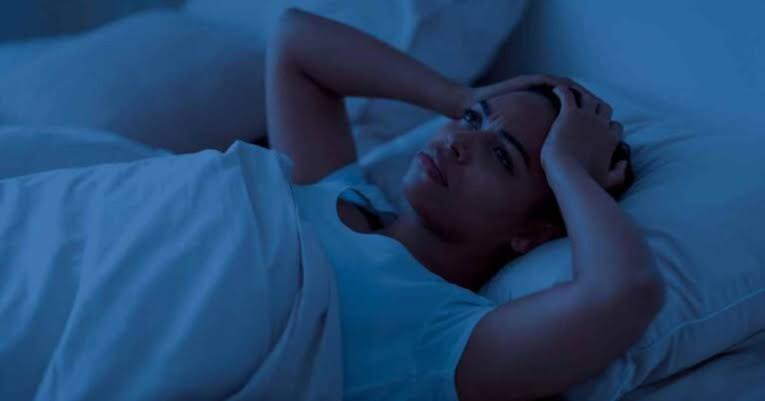
There is something particularly cruel about waking at 3 a.m. convinced you are dying. Your heart hammers against your ribs, your chest feels like something heavy has been placed on it while you slept, and the darkness that was supposed to hold rest now feels like a threat. I have sat with many clients who described that exact moment — and almost all of them said the same thing afterward: “I thought I was having a heart attack. I had no idea it was panic.”
That misidentification is important, and it is where I want to start.
What a Nocturnal Panic Attack Actually Feels Like
A panic attack that occurs during sleep — often called a nocturnal panic attack — typically strikes during the transition between light and deep sleep stages, usually in the first few hours after falling asleep. It is not a nightmare. You are not in the middle of a distressing dream when it happens. You wake abruptly, sometimes gasping, with physiological symptoms already fully activated: racing heart, shortness of breath, tingling in the hands or face, sweating, a suffocating sense of dread. The fear that something is catastrophically wrong arrives alongside the physical symptoms, not because of a story your dreaming mind invented, but because your nervous system fired first and your conscious mind is simply catching up to explain it.
This distinction matters enormously, because it tells us something true about how panic works. The body does not need a trigger it can name. It can generate a full alarm response from nothing visible, which makes nocturnal panic feel even more frightening and more mysterious than daytime episodes.
Why It Happens at Night
Chronic stress is the most common soil in which nocturnal panic grows. When someone carries high baseline anxiety through their days — often without fully acknowledging it — the nervous system remains in a low-level state of vigilance. Sleep should provide a reset, but a hyperactivated system can misread the normal physiological shifts of sleep as danger signals. Suppressed emotional material also plays a role. During the day we stay busy, cognitive, distracted. At night, those defenses thin out, and the body processes what the mind has been avoiding.
There are also physical contributors worth ruling out: hypoglycemia, sleep apnea, thyroid irregularities, and certain medications can all provoke nocturnal symptoms that resemble panic. A medical evaluation makes sense if these episodes are new or frequent.
For many people I work with, the pattern begins after a period of prolonged stress, grief, a major life transition, or accumulated burnout — situations where emotional processing has been deferred for too long. If any of that resonates, know that you are not broken. You are running a system that is overloaded.
What Helps in the Moment and Over Time
When you wake in panic, the single most useful thing you can do is avoid fighting the sensations. Resistance amplifies panic. Instead, orient yourself physically: feel the mattress beneath you, name five things in the room, place one hand on your sternum and breathe slowly into it. This is not distraction — it is a deliberate signal to the nervous system that the context is safe. The parasympathetic response takes about ninety seconds to begin if you stop adding fear to fear.
Longer-term, the research is clear that Cognitive Behavioral Therapy — and specifically interoceptive exposure, the practice of gradually learning to tolerate the body’s own sensations — is highly effective for panic disorder. So is addressing the underlying anxiety that feeds nocturnal episodes, which is why I built AI mental health support into Dzeny’s approach: consistent, accessible support between formal sessions matters more than most people realize.
Keeping a brief sleep and mood journal can also surface patterns you cannot see in real time — what days preceded the attacks, what emotional weight you were carrying.
A Final Word
Nocturnal panic attacks are frightening, but they are not dangerous, and they are not permanent. The nervous system that learned to fire this alarm can learn to stand down. That process takes time, consistency, and usually some guidance — but it happens. I have watched it happen, again and again, in people who once believed the night would always betray them.
It does not have to.
By Valentina Lipskaia, clinical psychologist and founder of Dzeny
 Hammad Anwar