

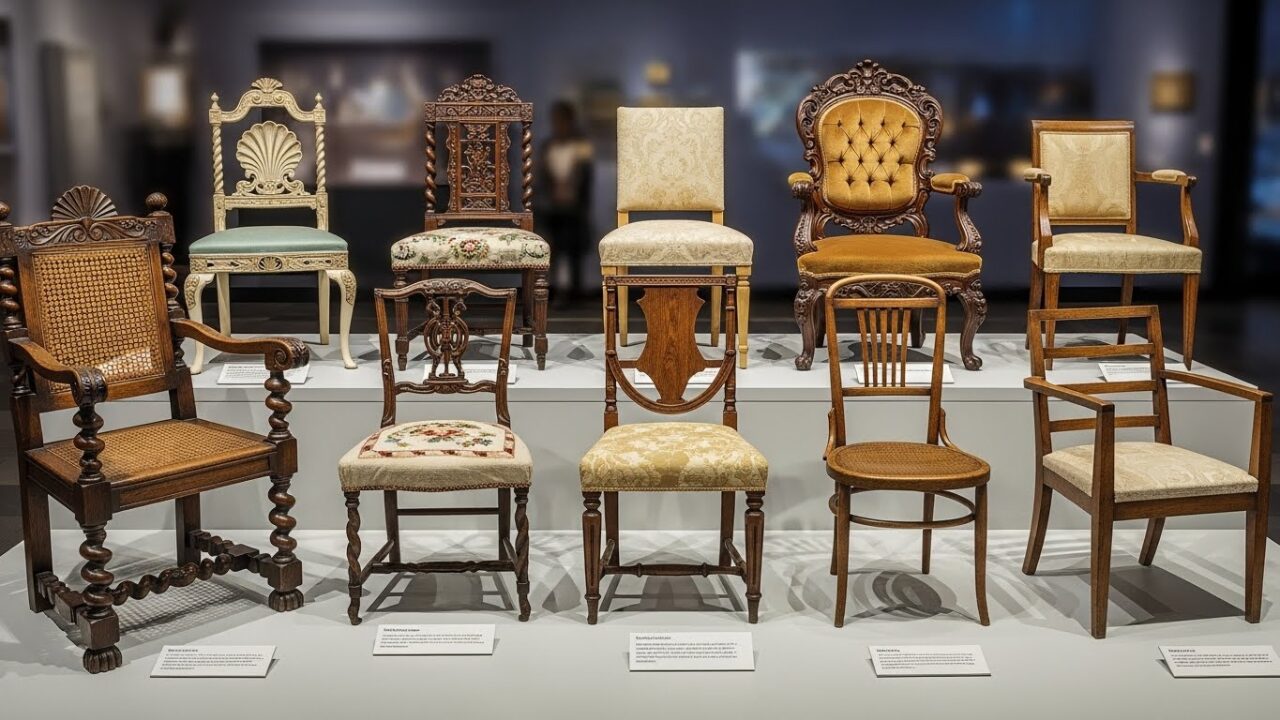
Antique chairs are more than just old pieces of furniture — they are living reflections of history, craftsmanship, and artistic expression. From royal courts to humble homes, chairs have evolved in design, material, and purpose over centuries. Today, antique chairs are prized for their beauty, cultural value, and enduring quality, making them highly sought after by collectors, interior designers, and history enthusiasts alike.
This article explores the history, major styles, materials, identification tips, care practices, and the lasting appeal of antique chairs.
What Are Antique Chairs?
Antique chairs are generally defined as seating furniture that is over 100 years old. They are valued not only for age but also for their craftsmanship, design authenticity, and historical importance. Unlike mass-produced modern furniture, antique chairs were often handmade using traditional joinery techniques and high-quality materials.
Each antique chair tells a story of the era in which it was created, reflecting social customs, artistic movements, and technological advancements.
A Brief History of Antique Chairs
Early Origins (Before 1600)
Early chairs were symbols of power and authority. Only royalty, clergy, or nobles were allowed to sit on chairs, while ordinary people used stools or benches. These early designs were heavy, wooden, and highly decorated.
17th Century: Comfort Meets Style
During the Baroque period, chairs became more refined. Upholstery was introduced, and carved decorations became more elaborate. Comfort started to matter as much as status.
18th Century: The Golden Age of Chair Design
The 1700s marked a turning point in furniture craftsmanship. Many famous chair styles emerged during this era, characterized by balance, elegance, and artistry.
19th Century: Industrial Influence
The Industrial Revolution allowed limited mass production while still maintaining craftsmanship. Victorian-era chairs became ornate, bold, and expressive.
Early 20th Century
By the early 1900s, furniture design shifted toward simplicity and function, marking the transition from antique to vintage styles.
Popular Styles of Antique Chairs
Understanding different styles helps collectors identify, date, and appreciate antique chairs more accurately.
1. Baroque Chairs
-
Period: Late 1600s
-
Features: Heavy carving, dramatic curves, rich upholstery
-
Materials: Oak, walnut
-
Style: Luxurious and bold
Baroque antique chairs were symbols of wealth and power, often used in palaces.
2. Queen Anne Chairs
-
Period: Early 1700s
-
Features: Cabriole legs, curved backs, minimal ornamentation
-
Materials: Walnut or mahogany
Queen Anne chairs are admired for their elegance, comfort, and graceful proportions.
3. Chippendale Chairs
-
Period: Mid-1700s
-
Features: Elaborate carving, ball-and-claw feet, pierced splats
-
Materials: Mahogany
Among the most famous antique chairs, Chippendale designs combine Gothic, Chinese, and Rococo influences.
4. Hepplewhite Chairs
-
Period: Late 1700s
-
Features: Shield-shaped backs, tapered legs, light appearance
-
Style: Refined and delicate
These antique chairs are known for their elegance and decorative inlays.
5. Sheraton Chairs
-
Period: Late 1700s–early 1800s
-
Features: Straight lines, square legs, minimal ornamentation
-
Materials: Satinwood, mahogany
Sheraton chairs reflect neoclassical taste and symmetry.
6. Victorian Chairs
-
Period: 1837–1901
-
Features: Heavy carving, plush upholstery, dark woods
-
Style: Ornate and expressive
Victorian antique chairs often featured floral motifs and luxurious fabrics.
7. Windsor Chairs
-
Period: 18th–19th century
-
Features: Spindle backs, wooden seats
-
Materials: Mixed woods
Windsor chairs were more practical and widely used in homes and taverns.
Materials Used in Antique Chairs
The quality of materials greatly affects the value and durability of antique chairs.
Common Woods
-
Mahogany – strong, rich color, highly prized
-
Oak – durable and traditional
-
Walnut – smooth grain and elegant appearance
-
Cherry – warm tones, ages beautifully
-
Beech – commonly used for frames
Upholstery Materials
-
Horsehair
-
Silk
-
Wool
-
Linen
-
Leather
Original upholstery significantly increases an antique chair’s value.
Craftsmanship and Construction Techniques
One defining feature of antique chairs is their handcrafted construction:
-
Mortise-and-tenon joints
-
Hand-cut dovetails
-
Wooden pegs instead of nails
-
Hand-carved decorations
These techniques contribute to strength and longevity, often outperforming modern furniture.
How to Identify Authentic Antique Chairs
When evaluating antique chairs, look for these key indicators:
1. Signs of Age
-
Natural wear on arms and legs
-
Uneven surfaces
-
Faded or oxidized finishes
2. Tool Marks
Hand tools leave subtle irregular marks, unlike machine-cut furniture.
3. Joinery
Traditional joints suggest older craftsmanship.
4. Patina
A natural, soft sheen develops over decades and cannot be artificially replicated easily.
Value and Collectibility of Antique Chairs
The value of antique chairs depends on several factors:
-
Age
-
Condition
-
Style
-
Rarity
-
Maker
-
Provenance
-
Original components
Some antique chairs sell for hundreds, while rare museum-quality pieces can reach tens of thousands.
Caring for Antique Chairs
Proper care ensures longevity and preserves value.
Cleaning Tips
-
Dust regularly with a soft cloth
-
Avoid harsh chemicals
-
Use gentle wood cleaners
Preservation Tips
-
Keep away from direct sunlight
-
Maintain stable humidity
-
Avoid heavy weight or stress
Restoration Advice
Minimal restoration is best. Over-restoration can reduce value. Always consult professionals before making major repairs.
Decorating with Antique Chairs
Antique chairs blend beautifully with modern interiors when styled thoughtfully.
Styling Ideas
-
Use a single statement chair in a modern room
-
Pair antique dining chairs with contemporary tables
-
Use accent upholstery for contrast
-
Display as decorative pieces in hallways or bedrooms
Their timeless charm adds warmth, character, and sophistication.
Why Antique Chairs Remain Popular Today
The appeal of antique chairs continues because they offer:
-
Unique craftsmanship
-
Sustainable furniture choice
-
Historical value
-
Artistic beauty
-
Long-lasting durability
In a world of fast furniture, antiques provide authenticity and lasting quality.
Antique Chairs as Investments
Many collectors view antique chairs as long-term investments. Well-preserved pieces often appreciate over time, especially those from recognized periods or makers.
Before investing:
-
Research the style
-
Verify authenticity
-
Consult experts
-
Buy from reputable dealers
Conclusion
Antique chairs are timeless treasures that combine history, art, and functionality. From Baroque grandeur to Victorian elegance, each style reflects the era in which it was created. Their craftsmanship, materials, and character make them far more than seating — they are cultural artifacts worth preserving.
Whether you are a collector, decorator, or history lover, antique chairs offer unmatched beauty and meaning. By understanding their history and styles, you can appreciate their value and ensure these remarkable pieces continue to be admired for generations to come.
 Helinika Staff