

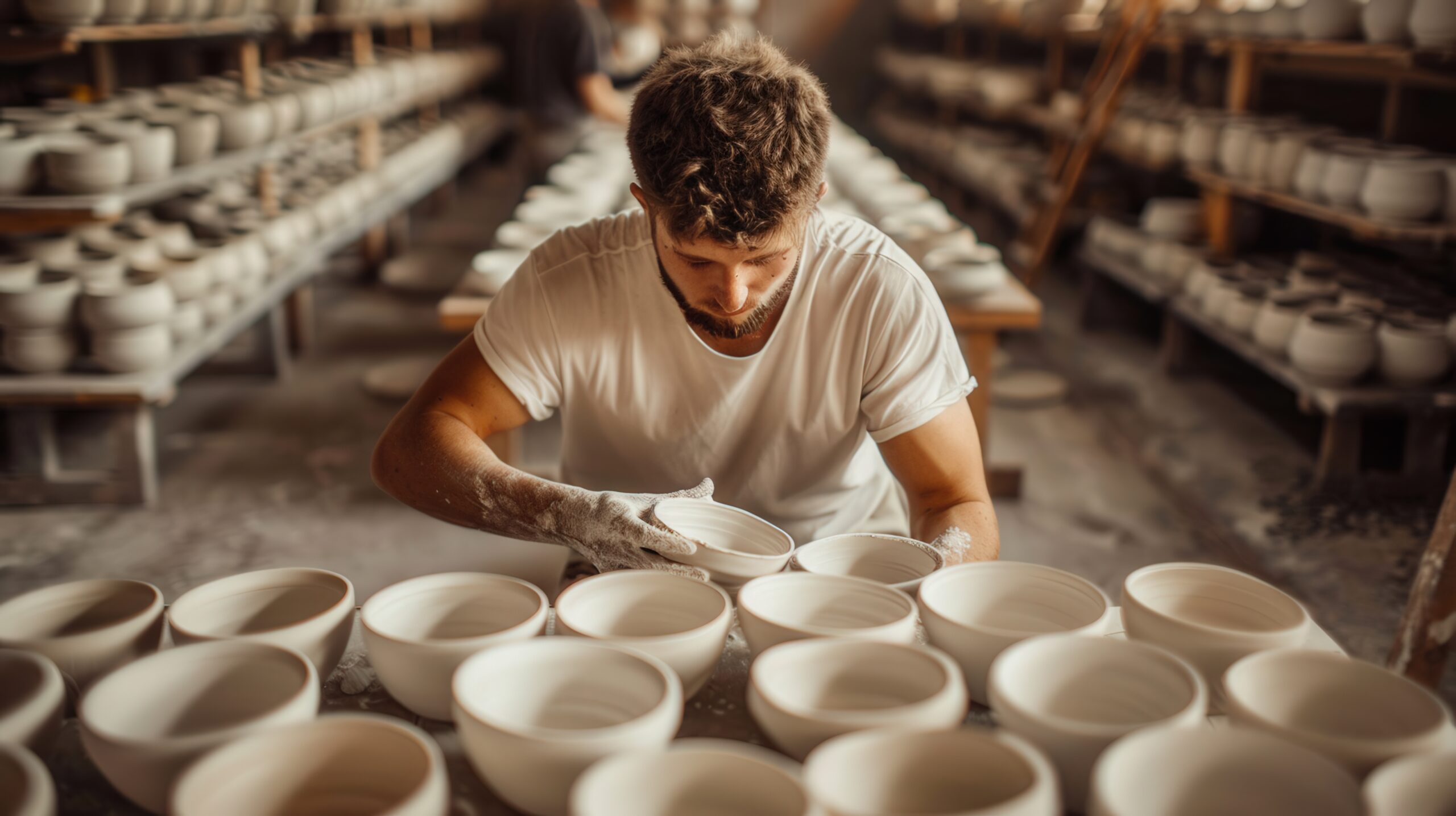
Ceramics have been an essential part of human civilization for thousands of years. From the earliest pottery and tiles to the advanced ceramics used in aerospace and biomedical applications, this class of materials continues to evolve and advance. In the modern industrial landscape, innovation is key — and sodiceram represents a cutting-edge solution in the field of ceramic manufacturing. This article delves into how sodiceram contributes to modern ceramics, its technological advantages, applications, sustainability benefits, and the future outlook for this technology.
Understanding Ceramic Materials
Ceramics are inorganic, non-metallic materials made from compounds of metals and nonmetals such as oxides, nitrides, and carbides. Traditional ceramics include familiar items like pottery, tiles, and bricks, while advanced ceramics encompass engineered materials with specialized properties such as high strength, thermal resistance, electrical insulation, and biocompatibility.
The global demand for advanced ceramics has surged with the expansion of industries such as:
-
Electronics
-
Medical devices
-
Automotive and aerospace
-
Energy and environment
-
Telecommunications
These growth sectors require materials that demonstrate superior performance under extreme conditions — properties that conventional manufacturing sometimes struggles to deliver without innovation.
What Is sodiceram?
sodiceram is a next-generation ceramic manufacturing technology designed to enhance material properties and streamline production processes. Although traditional ceramics are formed through pressing, casting, or extrusion followed by high-temperature sintering, sodiceram introduces optimized processes that improve consistency, performance, and efficiency.
At its core, sodiceram incorporates advanced material science techniques, precision processing, and tailored compositions that enable the production of ceramics with exceptional mechanical and functional properties.
Key features of sodiceram include:
-
Enhanced microstructural control
-
Improved mechanical strength and durability
-
Lower processing temperatures and reduced energy use
-
Scalability for mass production
-
Compatibility with additive manufacturing technologies
This combination makes sodiceram a compelling choice for industries that require reliability, performance, and cost efficiency.
Technological Advantages of sodiceram
1. Superior Material Properties
One of the major strengths of sodiceram lies in its ability to tailor microstructures at a microscopic level. By controlling grain size, phase distribution, and porosity more precisely than traditional methods, sodiceram enhances key properties such as:
-
Fracture toughness
-
Hardness
-
Thermal stability
-
Chemical resistance
These improvements are essential in applications where ceramics must endure extreme stress or harsh environmental conditions without failing.
2. Energy-Efficient Manufacturing
Ceramic production is typically energy-intensive due to the high temperatures required for sintering (often above 1200°C). sodiceram technologies optimize sintering processes — in some cases incorporating advanced techniques like microwave or spark plasma sintering — which reduce the overall energy consumption and carbon footprint.
This efficiency not only lowers manufacturing costs but also aligns with growing sustainability standards across industries.
3. Scalability and Reproducibility
Manufacturers must be able to reproduce ceramics with consistent quality and performance, especially for industrial or medical use. sodiceram offers excellent scalability due to its controlled processing environment and reduced variability. This leads to:
-
Higher yields
-
Fewer defects
-
Better integration with automated production lines
Scalability is particularly important in industries like electronics and healthcare, where precision and reliability are non-negotiable.
4. Integration with Advanced Fabrication Methods
sodiceram complements modern manufacturing techniques like additive manufacturing (3D printing). Traditional ceramics are difficult to 3D print due to issues with shrinkage and cracking during sintering. sodiceram’s better control over material properties makes it more compatible with these advanced shaping technologies, broadening design possibilities.
This compatibility allows manufacturers to produce complex shapes and finely detailed components without extensive machining or tooling.
Applications of sodiceram in Industry
The versatility of sodiceram has expanded its use across a range of industrial sectors. Below are some notable applications where sodiceram is making a difference:
1. Electronics and Semiconductors
Ceramics play a vital role in electronics due to their insulating and thermal properties. Components such as:
-
Substrates
-
Insulators
-
Packaging materials
must withstand thermal cycling and electrical stress. sodiceram provides ceramics with excellent dielectric strength and thermal fatigue resistance — key for reliable electronic devices.
Additionally, as semiconductors continue to shrink and operate at higher frequencies, the materials supporting them must meet increasingly strict performance standards — a demand well served by sodiceram-enhanced ceramics.
2. Biomedical Devices
Bioceramics, such as zirconia and alumina, are frequently used for implants and medical devices due to their biocompatibility and durability. sodiceram improves the reliability of such components, ensuring:
-
Better wear resistance
-
Reduced fracture risk
-
Longevity in implants like hip and dental replacements
Moreover, improved control over ceramic surfaces enhances their interaction with biological tissues — a critical factor in medical applications.
3. Automotive and Aerospace Engineering
The automotive and aerospace industries require materials that can endure extreme temperatures, stress, and wear. Engine parts, turbine blades, heat exchangers, and sensors all benefit from high-performance ceramics.
sodiceram strengthens these materials while reducing weight — a major advantage in applications where fuel efficiency and performance are priorities.
4. Renewable Energy and Environmental Technology
Ceramics are used in fuel cells, membranes, and catalysts in renewable energy systems. sodiceram’s customized ceramic compositions improve ionic conductivity and chemical stability — making energy systems like solid oxide fuel cells more efficient.
In environmental applications, ceramics made with sodiceram can act as catalysts to reduce emissions or as filters in pollution-control systems due to their high surface area and thermal robustness.
Sustainability and Environmental Impact
Ceramic manufacturing has historically had environmental challenges, notably high energy use and waste. However, sodiceram introduces multiple sustainability advantages:
Energy Reduction
By lowering sintering temperatures and optimizing heating methods, sodiceram significantly reduces energy consumption compared to traditional ceramic production. This reduction leads directly to lower greenhouse gas emissions and operating costs.
Material Efficiency
sodiceram reduces material waste by improving yield and decreasing the rate of defects. Higher first-pass success rates mean fewer discarded parts and less consumption of raw materials.
Recyclability and Circular Use
Many sodiceram ceramics are composed of materials that can be recycled or repurposed, especially in industrial settings. This supports circular economy principles by reducing landfill waste and promoting reuse.
Reduced Chemical Hazard
Improved process control often means fewer additives and less reliance on harmful binders or solvents, creating a safer environment for both workers and surrounding ecosystems.
Challenges and Considerations
Though sodiceram offers many advantages, its implementation is not without challenges:
Upfront Investment
Advanced processing equipment and quality control systems can require significant initial investment. For smaller manufacturers, this may pose a financial hurdle.
Technical Expertise
Using sodiceram technology effectively demands skilled engineers and materials scientists who understand the complex interplay between processing parameters and material behavior.
Standardization
As with any emerging technology, industry standards and certifications must evolve to encompass new manufacturing methods. This can take time and coordination across regulatory bodies.
However, as adoption grows and costs decline, these barriers are steadily diminishing.
The Future of Ceramic Manufacturing with sodiceram
The future of ceramic manufacturing is poised for transformation, and sodiceram stands at the forefront of that change. As global industries demand stronger, lighter, and more reliable materials, sodiceram’s capacity to tailor ceramics with precision and efficiency will continue to drive innovation.
Here are some emerging trends that may define the future:
1. Further Integration with AI and Machine Learning
By applying artificial intelligence to ceramic processing, manufacturers can optimize parameters in real time, predict failures, and enhance quality control — further improving sodiceram’s efficiency.
2. Expanded Use in 3D Printing
As additive manufacturing improves, sodiceram will likely enable even more complex and customized ceramic components, bringing innovation to fields like robotics, architecture, and consumer products.
3. Biomedical Breakthroughs
With ongoing research, sodiceram ceramics may lead to implants with longer lifespans and better clinical outcomes, particularly in personalized medicine and tissue integration.
4. Green Manufacturing Leadership
As sustainability becomes a competitive advantage, sodiceram’s energy-efficient and recyclable solutions will gain preference in industries with strict environmental mandates.
Conclusion
sodiceram: Exploring Modern Solutions in Ceramic Manufacturing highlights how advanced technology is reshaping one of the oldest material classes known to humanity. sodiceram stands as a powerful example of how innovation can elevate performance, improve sustainability, and expand the role of ceramics in modern industry.
From electronics and aerospace to healthcare and renewable energy, sodiceram is pushing boundaries and enabling new applications that were once unimaginable with traditional ceramic processes. While challenges such as initial investment and expertise remain, the benefits of sodiceram position it as a key driver for the next generation of ceramic manufacturing.
As industries evolve and demand materials that perform under higher pressures and stricter environmental standards, sodiceram will undoubtedly play a central role in delivering those modern solutions.