

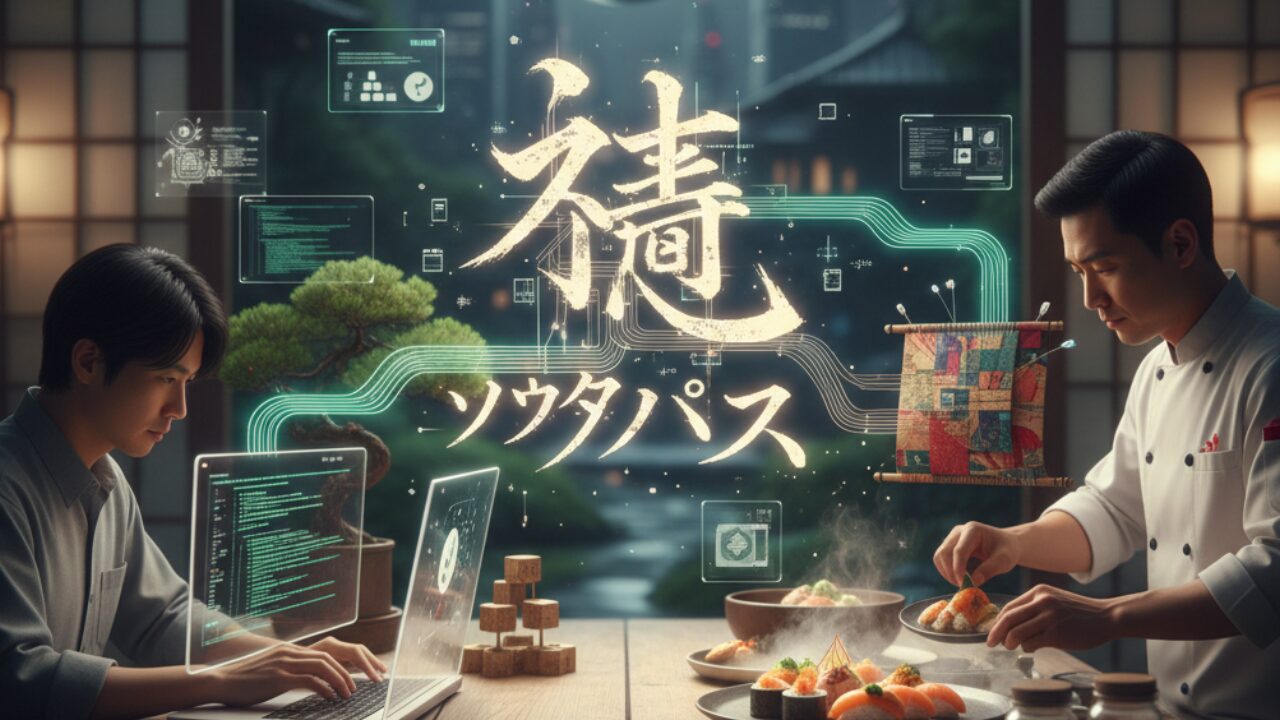
In the fast-evolving landscape of technology and culture, concepts that bridge creativity and technical precision are becoming increasingly valuable. One such concept is Soutaipasu, a multifaceted idea originating from Japanese programming culture but now influencing broader creative and technical practices. At its core, Soutaipasu represents harmony, efficiency, and context-aware relationships—principles that apply to elegant coding, design, crafts, and even fusion cuisine.
Soutaipasu is more than a programming term; it embodies a philosophy of balance. Whether navigating relative paths in code, blending flavors in modern cuisine, or creating interconnected systems, Soutaipasu encourages thoughtful integration, precision, and adaptability. In a world where creativity and technical expertise often collide, Soutaipasu provides a framework for synergy.
What Is Soutaipasu?
Soutaipasu is a concept that emphasizes the interplay between seemingly opposing forces—creative and technical, old and new, abstract and practical. It originated in Japanese programming communities, where developers used the term to describe the elegant handling of relative paths and context-dependent relationships in code. Over time, Soutaipasu has expanded beyond programming into cultural and creative domains, symbolizing balance, efficiency, and interconnectedness.
The key principles of Soutaipasu include:
-
Harmony: Ensuring different elements work together seamlessly
-
Efficiency: Maximizing outcomes with minimal waste or redundancy
-
Contextual awareness: Adjusting actions and methods depending on specific conditions
These principles apply not only in coding but in everyday problem-solving, art, design, and innovation.
Soutaipasu in Programming
In programming, Soutaipasu reflects the elegance and precision of code that is both functional and maintainable. One of the earliest uses of Soutaipasu was in managing relative paths—a technique that allows software to refer to files or resources in a flexible and context-aware way. This approach avoids hardcoding paths and improves code portability, maintainability, and adaptability.
Key Applications in Programming
-
Relative Paths and Context Awareness
Developers use Soutaipasu to ensure programs adapt to different environments seamlessly. By understanding the context of file locations and dependencies, software becomes more resilient and easier to maintain. -
Efficiency and Minimalism
Soutaipasu encourages concise, efficient code. Redundant commands are minimized, and logic is streamlined, resulting in faster execution and cleaner codebases. -
Integration of Creativity and Logic
Coding with Soutaipasu is not just technical; it requires creativity. Developers must anticipate user needs, system interactions, and potential challenges while maintaining elegant solutions.
Soutaipasu Beyond Coding
While its roots lie in programming, Soutaipasu has grown into a broader cultural idea. It represents the blending of creative and technical domains in a way that is balanced, harmonious, and adaptive.
1. Design and Architecture
Architects and designers embrace Soutaipasu principles to create spaces and products that are both functional and aesthetically pleasing. Context-aware design ensures that materials, forms, and structures harmonize with their environment and purpose.
2. Creative Arts
Artists and creators apply Soutaipasu by blending traditional techniques with modern innovation. Whether in painting, music, or digital media, Soutaipasu encourages a balance between intuition and technique, fostering work that is both original and technically sound.
3. Fusion Cuisine
Chefs use Soutaipasu principles to merge flavors, techniques, and culinary traditions. A dish that embodies Soutaipasu balances taste, texture, presentation, and nutrition, creating an experience that is thoughtful, efficient, and harmonious.
The Philosophy of Balance in Soutaipasu
At its heart, Soutaipasu is a philosophy that champions balance over extremity. In a modern context where innovation often favors speed over quality or creativity over precision, Soutaipasu reminds practitioners to integrate both sides:
-
Creative Thinking: Encourages exploration, experimentation, and new ideas
-
Technical Rigor: Ensures feasibility, efficiency, and structural integrity
-
Interconnected Systems: Highlights the importance of relationships between components, whether in code, design, or workflows
By applying this philosophy, individuals and organizations can produce work that is not only innovative but also sustainable and impactful.
Benefits of Applying Soutaipasu
1. Enhanced Problem-Solving
Soutaipasu encourages context-aware thinking, enabling smarter solutions that account for dependencies and environmental factors.
2. Improved Efficiency
By combining creative and technical thinking, Soutaipasu reduces trial-and-error approaches, leading to more streamlined processes.
3. Greater Innovation
Balance between creativity and technical precision allows for experimentation without sacrificing reliability or quality.
4. Sustainable Practices
Whether in coding, design, or culinary arts, Soutaipasu promotes mindful use of resources, reducing waste and improving long-term outcomes.
Implementing Soutaipasu in Daily Life
While originally a programming concept, Soutaipasu can be applied broadly to enhance productivity, creativity, and collaboration:
-
Plan with Context – Understand the environment, constraints, and relationships before taking action.
-
Balance Priorities – Combine creative ideas with practical implementation strategies.
-
Iterate Thoughtfully – Make adjustments while maintaining harmony and efficiency.
-
Reflect and Learn – Regularly review work to ensure alignment with goals and context.
These steps allow individuals and teams to navigate complexity while maintaining a sense of order and effectiveness.
Soutaipasu in Modern Innovation
In today’s digital and creative landscapes, the need for adaptable, balanced solutions is greater than ever. Technologies such as AI, VR, AR, and cloud computing demand innovative yet reliable approaches. Applying Soutaipasu principles helps:
-
Software Developers create resilient, context-aware systems
-
Designers produce user-centric and functional solutions
-
Educators design learning experiences that are both engaging and effective
-
Businesses develop workflows that are efficient and adaptable
By integrating Soutaipasu, organizations can bridge the gap between creative experimentation and technical reliability.
Soutaipasu as a Cultural Concept
Beyond practical applications, Soutaipasu has become a cultural metaphor in Japan and globally. It symbolizes the harmony between tradition and innovation, individuality and collaboration, and creativity and logic. Its adoption across disciplines highlights the universal appeal of balance and context-aware thinking.
-
In Education: Teachers use it to balance traditional methods with digital tools.
-
In Art and Media: Artists combine old techniques with modern platforms.
-
In Culinary Arts: Chefs blend regional flavors with modern presentation.
This cross-disciplinary relevance makes Soutaipasu not only a technical tool but also a guiding philosophy for thoughtful creation.
Conclusion
Soutaipasu is more than a programming concept—it is a philosophy of creative and technical balance. Whether applied to code, design, arts, or cultural practices, it emphasizes harmony, efficiency, and context-aware relationships. By integrating these principles, individuals and organizations can create solutions that are innovative, sustainable, and impactful.
In a world where extremes often dominate—speed over quality, creativity over structure—Soutaipasu provides a roadmap for balance. It reminds us that the most effective systems, products, and experiences emerge when creativity and technical precision work together. Embracing Soutaipasu is not just about improving processes; it is about fostering a culture of thoughtful, integrated, and adaptive innovation.